










Breaking News
 A New Golden Age of HUD Hokum
 Nasa's wise scientist finally 'finds the Star of Bethlehem'
 Saudi Arabia Didn't Learn Anything From China's 'Ghost Cities'
 Bad News Democrats: Tesla Takedown Operation Fails As Purchase Sentiment Recovers
Top Tech News
 Build a Greenhouse HEATER that Lasts 10-15 DAYS!
 Look at the genius idea he came up with using this tank that nobody wanted
 Latest Comet 3I Atlas Anomolies Like the Impossible 600,000 Mile Long Sunward Tail
 Tesla Just Opened Its Biggest Supercharger Station Ever--And It's Powered By Solar And Batteries
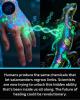 Your body already knows how to regrow limbs. We just haven't figured out how to turn it on yet.
 We've wiretapped the gut-brain hotline to decode signals driving disease
 3D-printable concrete alternative hardens in three days, not four weeks
 Could satellite-beaming planes and airships make SpaceX's Starlink obsolete?
 First totally synthetic human brain model has been realized
 Mach-23 potato gun to shoot satellites into space


Your bones might not be as permanent as you think.

We've always been told that osteoporosis is a one-way street, but researchers just found the reverse gear.
This discovery could change everything we know about aging and bone health.
-----------
Here's what makes this discovery so revolutionary.
Researchers at the University Medical Center Hamburg-Eppendorf in Germany and Sichuan University in China identified a gene called GPR133 that acts like a master switch for bone-building cells. When they activated it using a compound called AP503, something remarkable happened. The bones didn't just stop deteriorating, they actually regenerated.
In mice with severe osteoporosis, AP503 turned dormant osteoblasts (bone-building cells) back on, leading to significant increases in bone density and strength.
The real game-changer?
When combined with physical activity like running, the effects were even more dramatic. The bones became denser, stronger, and structurally healthier than before treatment began.
Current osteoporosis medications like bisphosphonates only slow down bone loss by preventing bone-destroying cells from doing their job. But they don't rebuild what's already been lost. AP503 works completely differently by reactivating the body's natural bone-building machinery. It's the difference between putting sandbags in front of a flood versus actually pumping the water back out.
Of course, this research is still in early stages and has only been tested in animal models so far. Human clinical trials are the next critical step. But if this translates to humans, we could be looking at a future where osteoporosis isn't a life sentence of fragility and fractures.
Millions of people, especially postmenopausal women and elderly individuals, could potentially rebuild their skeletal strength and reclaim their mobility.
????Sources and References:
Nature Metabolism journal (2024), University Medical Center Hamburg-Eppendorf press release, Sichuan University research publications