










Breaking News
 US Pulls Entire B-1 Supersonic Bombers From UK Base After Suspected Iran-Linked Terror Plot
 Russian Lab Worker's Abrupt Death Sparks Plague Crisis Concerns; Trump Team...
 Supreme Court To Hear Pivotal Climate Case With Billions At Stake
 84% Of Gen Z Democrats Back Socialism; New Poll Finds
Top Tech News
 Most artificial limbs rely on silicone or plastic to mimic human hands.
 Flying cell tower beams phone signal to Japan from 10 miles up
 Chinese Commercial Reactor Achieves Nuclear Fusion with Clean Hydrogen-Boron Fuel
 Med Beds Just Took a MASSIVE Step Forward, Healing People in Days!
 Palmer Luckey: Autonomous Weapons Are Ancient and Why Anduril Won't Build Humanoids | EP #295
 A laser just photographed objects through six feet of concrete
 Elon Musk's Next-Gen Motor Destroy Entire EV Industry
 China's disputed satellite refueling heralds new space war era
 BYD Will Put Solid-State Batteries In An EV Next Year: Executive
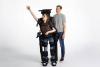 FDA-cleared exoskeleton puts spinal-cord patients back on their feet



Artificial Intelligence technical talent with F-you money...
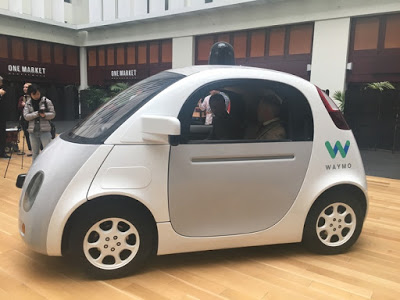
Also, key talent had enough accumulated compensation so that they were no longer dependent on continuing salaries.
Early staffers had an unusual compensation system that awarded supersized payouts based on the project's value. By late 2015, the numbers were so big that several veteran members didn't need the job security anymore, making them more open to other opportunities, according to people familiar with the situation. Two people called it "F-you money."
In December, the car unit morphed into a standalone business called Waymo, and the system was replaced with a more uniform pay structure that treats all employees the same, according to a person familiar with the situation. Still, the original program got so costly that a top executive at parent Alphabet Inc. highlighted it last year to explain a jump in expenses. A spokeswoman for Alphabet, the holding company that owns Google and "Other Bets" like the autonomous car business