










Breaking News
 This is the future we shall bring into being
 Elon Musk's Vision For The Future Looks Like A Movie
 Phosphorus Munitions Fired by Israel Burn Groves, Orchards in Southern Lebanon
 Iran's IRGC Warns It Will Expand 'Geography of the War' If the US Attacks Again
Top Tech News
 BEYOND THE MOON: NASA plans a nuclear-powered fleet to push DEEPER into space
 Big Oil Backs Mazama's $135 Million Bet On Superhot Geothermal
 Quantum compass takes flight on Northrop's Lumberjack drone
 Terrifying AI Behavior Even Its Creators Couldn't Explain
 WW3 Near-Miss? AI Hallucinated Nuclear Weapons Components Aboard Chinese Vessel Bound For Iran
 Stripe Is Building the Toll Road for the Machine Economy
 Toyota Dakar hopeful swaps twin-turbo V6 for hydrogen fuel cells
 4-min turbo-inflatable cubic camp castle is now available in the USA
 Researchers Used Claude To Hack OpenAI Employee Accounts
 Chinese Scientists Develop New Oil Refining Method That Cuts Energy Use by 90%



Powering up: The biggest battery breakthroughs of 2017
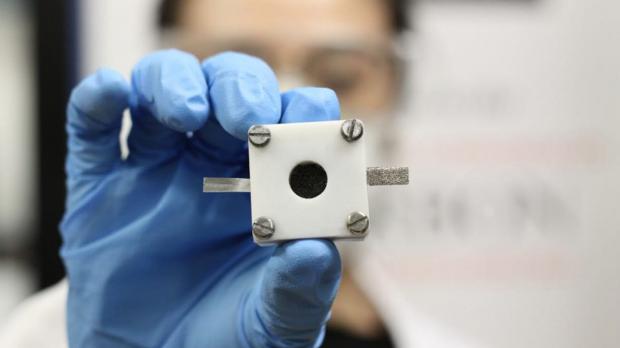
So there are plenty of folks with an interest in pushing battery technology forward, and 2017 brought a raft of exciting breakthroughs aimed at making them safer, longer-lasting, faster-charging and more cost effective. Here's the best of the bunch.
The chances of lithium-ion batteries failing is very low, but with so many of them in use everyday the chances of something going wrong somewhere in the world are very real. Flaming Samsung smartphones and exploding "hoverboards" (we're still reluctant to call them that, but whatever) are evidence of that.
Today's batteries already come with chips embedded that track voltage, temperature and the charge they are holding, allowing for warning systems like the one you'll see on an iPhone screen when the handset gets too hot. But researchers are always looking for ways to keep them cool, and one way of achieving this could be to substitute the combustible electrolyte, the liquid that carries the ions, with something less flammable.