










Breaking News
 The AI Bird-Flu Scenario They Just Published
 Japan's first robot ambulance works the 9-1-1 lines for humanoids
 Cheap smartphone add-on pinpoints hidden cameras to shut down spies
 The $600 Tank That Beats a $10,000 Powerwall
Top Tech News
 BEYOND THE MOON: NASA plans a nuclear-powered fleet to push DEEPER into space
 Big Oil Backs Mazama's $135 Million Bet On Superhot Geothermal
 Quantum compass takes flight on Northrop's Lumberjack drone
 Terrifying AI Behavior Even Its Creators Couldn't Explain
 WW3 Near-Miss? AI Hallucinated Nuclear Weapons Components Aboard Chinese Vessel Bound For Iran
 Stripe Is Building the Toll Road for the Machine Economy
 Toyota Dakar hopeful swaps twin-turbo V6 for hydrogen fuel cells
 4-min turbo-inflatable cubic camp castle is now available in the USA
 Researchers Used Claude To Hack OpenAI Employee Accounts
 Chinese Scientists Develop New Oil Refining Method That Cuts Energy Use by 90%



Use Vinegar To Kill Weeds Naturally And Give Monsanto's Roundup The Heave Ho
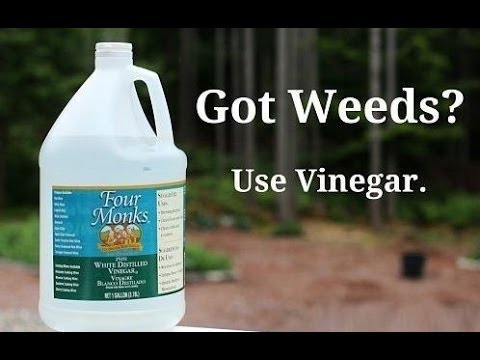
There's been lots written recently about the toxicity of Monsanto's poster child product Roundup, exposing how harmful it is for the earth and how poisonous it is on exposure for both animals and humans. However, what is not common knowledge to most organic gardeners and back yard enthusiasts is how they can manage weed control safely without the need for dangerous pesticides. Use vinegar to kill weeds naturally and safely, with no side effects to you, your pets, wildlife and mother earth. Killing weeds naturally with vinegar allows you to target exactly what weeds to eradicate, and it's cheap and easy to use.
Vinegar is not choosy and cannot differentiate between broad-leaf weeds, narrow-leaf weeds, grass, flowers or vegetables. If you're not careful when applying vinegar for weed control, it will kill whatever it touches. So although it's eco-friendly and biodegradable, it takes a little forethought to manage an effective application.
How to apply vinegar for natural weed control
The best way to apply vinegar for weed control is with a spray bottle or pump sprayer. These tools are most effective if you're wanting to eliminate large swatches of weeds on walkways, driveways or other areas where there are no other plants immediately at risk. Because vinegar is not selective, using it for killing weeds naturally should be done on a sunny day when there is no wind to prevent it from blowing onto other plants. Part of the killing process uses the sunlight to activate the vinegar; so check the weather beforehand to be sure it's not about to rain right after you spray. If you're trying to be very selective and kill small batches of weeds in among other plants and flowers, apply vinegar with an old brush only to the weeds being targeted.
Spray, paint or pour the vinegar on liberally to kill weeds naturally. Leaves and stems should be soaked. Allow it to dry and wait for a day or two to see full results. You may have to reapply more vinegar periodically. Any type of vinegar will work to kill weeds and white vinegar is the least expensive. Keep several gallons in your shed so it's on hand when needed.