










Breaking News
 The AI Bird-Flu Scenario They Just Published
 Japan's first robot ambulance works the 9-1-1 lines for humanoids
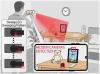 Cheap smartphone add-on pinpoints hidden cameras to shut down spies
 The $600 Tank That Beats a $10,000 Powerwall
Top Tech News
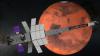 BEYOND THE MOON: NASA plans a nuclear-powered fleet to push DEEPER into space
 Big Oil Backs Mazama's $135 Million Bet On Superhot Geothermal
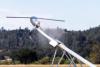 Quantum compass takes flight on Northrop's Lumberjack drone
 Terrifying AI Behavior Even Its Creators Couldn't Explain
 WW3 Near-Miss? AI Hallucinated Nuclear Weapons Components Aboard Chinese Vessel Bound For Iran
 Stripe Is Building the Toll Road for the Machine Economy
 Toyota Dakar hopeful swaps twin-turbo V6 for hydrogen fuel cells
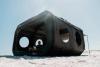 4-min turbo-inflatable cubic camp castle is now available in the USA
 Researchers Used Claude To Hack OpenAI Employee Accounts
 Chinese Scientists Develop New Oil Refining Method That Cuts Energy Use by 90%



FDA approves first US trial on magic mushrooms...
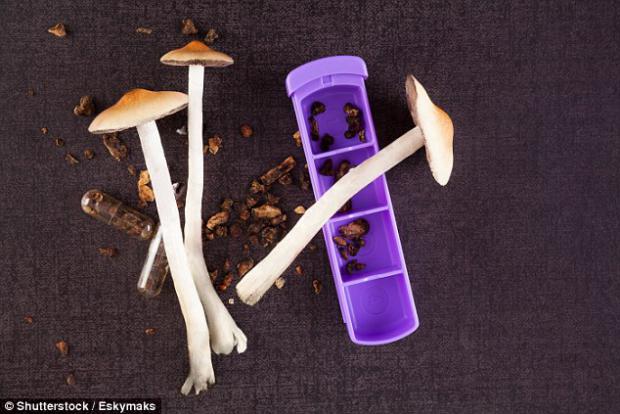
Psilocybin is one of several psychedelic drugs that have recently reemerged from the shadows as they show promise to treat mental illnesses and addictions.
The Peter Thiel-backed health and life sciences startup, Compass Pathways, is the latest to test the 'brain-resetting' power of the schedule I drug on patients.
Already approved in three other countries, the first wave of the trial is set to begin in the UK later this month with studies in Canada, the Netherlands and the US to follow.
Psychedelics may be the latest novel approach to mental health making headlines, but they are far older than the most widely accepted treatments for illnesses like depression and anxiety.
Portrayals in stone carvings and rock paintings that predate recorded history suggest that people discovered the hallucinogenic powers of 'magic' mushrooms as early as 9000 BC.
The fungi were once the center piece of religious ceremonies, but in 1959, a chemist at the pharmaceutical company, Albert Hofmann, was able to identify and separate out the psychoactive compound in mushrooms: psilocybin.