










Breaking News
 It's Starting: The Fall of Europe
 More War With Iran? Prepare For Even Higher Prices
 The Wattcycle Problem Isn't What I Thought
 A 17% Inflation Pace Just Showed Up in the PPI Report
Top Tech News
 Genetically Engineered War Dogs for 134 Pound Cyborg Dire Wolves Now – Later 600 Pound Wolves
 They're Quietly REPLACING Our Food With THIS… And Nobody Is Talking About It!
 Chicago Opens First "Teacher-Free" AI School as Global Push Accelerates
 Solar Panels Are Doing Something Nobody Expected
 DeLorean climbs skyward to race electric flying cars
 Atari's 800XL returns with a keyboard, cartridges and BASIC
 Bioinspired robot airdrops into remote waters via morphing wing-sail
 Anduril interceptor adapts to emerging threats via swappable stages
 I Built a Website to Expose Solar and Battery Scams
 Whistleblower Issues Dire Warning: Rogue AI, Hacking Nuclear Programs...



How Much Did CIA And NSA Have To Do With The Founding Of Google?
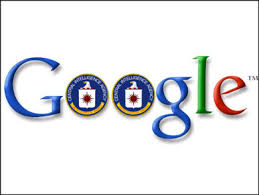
Two decades ago, the US intelligence community worked closely with Silicon Valley in an effort to track citizens in cyberspace. And Google is at the heart of that origin story. Some of the research that led to Google's ambitious creation was funded and coordinated by a research group established by the intelligence community to find ways to track individuals and groups online.
The intelligence community hoped that the nation's leading computer scientists could take non-classified information and user data, combine it with what would become known as the internet, and begin to create for-profit, commercial enterprises to suit the needs of both the intelligence community and the public. They hoped to direct the supercomputing revolution from the start in order to make sense of what millions of human beings did inside this digital information network. That collaboration has made a comprehensive public-private mass surveillance state possible today.
The story of the deliberate creation of the modern mass-surveillance state includes elements of Google's surprising, and largely unknown, origin. It is a somewhat different creation story than the one the public has heard, and explains what Google cofounders Sergey Brin and Larry Page set out to build, and why.