










Breaking News
Trump's War In Iran Is Not Destroying Iran; It Is Destroying AMERICA
 NASA Chief: "We Just Built Antigravity Propulsion!"
 Carl Higbie (NEWSMAX) says LIVE on TV: "The Senate is supposed to vote on the Clarity Act NEXT
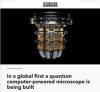 Quantum computing may soon become part of the microscope itself.
Top Tech News
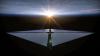 NASA Super Light Solar Sail Project Will Be 12-40 Times Lighter and Faster
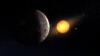 Space Telescope Interferometer to Image Exoplanet Continents
 Twenty-five years of "temporary": how 9/11 built a surveillance state Americans never vote
 I'll Never Buy Another WALMART Battery!
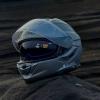 Shoei GT-Air 3 Smart helmet drops with built-in AR for $1,500
 Freezable titanium plate keeps your cooler chilled way longer than ice packs
 Review: Affordable thermal device is made for discovering life outdoors
 AI Whistleblower Tells Tucker How AI Could Kill All Humans by 2040
 You Hate Flock? Well There's More...
 Will Spiking Diesel Prices Drive Autonomous Trucking?



Roy Orbison hologram concert in L.A. invites awe and debate
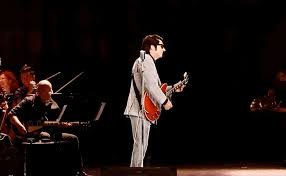
Then, the crooner appeared to rise magically from the stage, wearing his signature light gray suit and black shades and jamming on a red Gibson guitar to his 1960 hit "Only the Lonely." Fans screamed as they quickly positioned their smartphones to record the spectral image.
"This is as good as seeing him in person as you'll ever get," marveled 71-year-old Ray Sadowski, who paid about $200 for a pair of tickets to the Tuesday night show.
Thirty years after his death, Orbison (at least the digital version of him) is going on a national tour, the latest and possibly the most ambitious example to date of how holographic technology is transforming the music industry. The hologram's 65-minute show, which features 16 songs and orchestral accompaniment, is among the first full-length concerts to feature a holographic dead singer.