Breaking News
 Amazon Boeing Plane Bursts Into Flames After it Overshoots Runway at Miami International Airpot
 Trump grants clemency to 30 people, White House pardon czar says
 Bessent: "CUT THE SNAKE'S HEAD OFF"--But Who is the Real Target?
 Special LIVE Saturday Show: Could The Gov Seize XRP After Chilling FDIC Admission? Gas Prices...
Top Tech News
 Floating data center would provide water and electricity to 32,000 homes
 OpenAI Cuts Off Elon's Cursor, Humanity's First Star Probe, and Trump's Nuclear Mars Shi
 Eating pollution? Plastic-to-cookie technology raises safety, environmental concerns
 Ford's $30,000 Fathom EV Truck Appears More Conventional Than Expected
 Berlin-based artist Simon Weckert explored that idea with Digital Camouflage...
 Tether expands tokenization business into Saudi Arabia, starting with real estate
 Ukraine is facing a new problem in its war with Russia:
 It charges more than it discharges while driving
 Dataminr AI tech to go live on NATO Maven system: CEO
  The Most Dangerous Interview Ever Recorded? PART 2


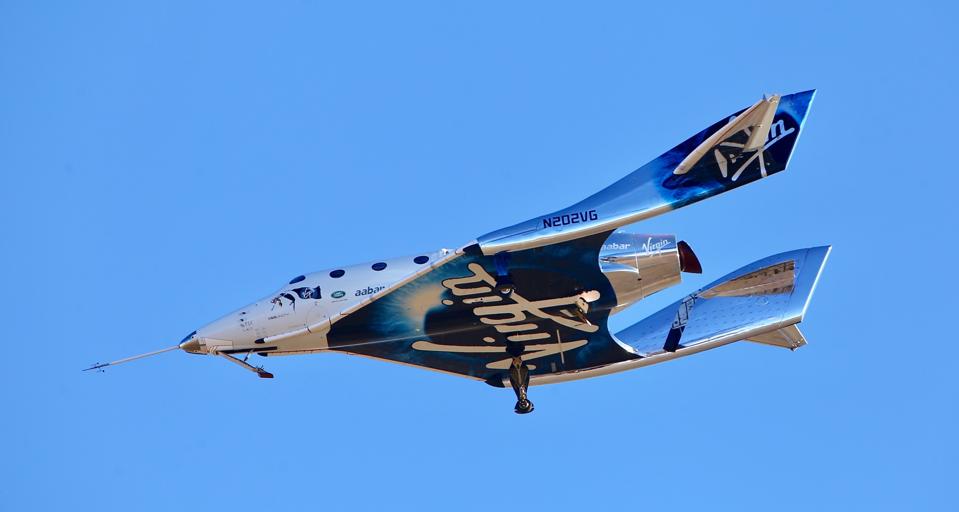
With Virgin Galactic's Latest Flight, Has Space Tourism Finally Arrived?
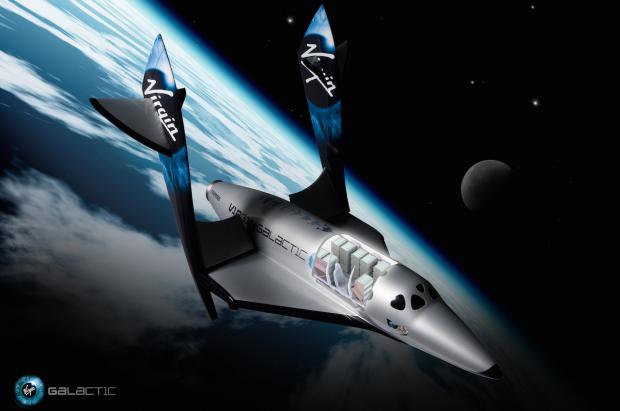
In the years since 2009, there has been a lot of talk among space enthusiasts that commercial spaceflight could get people into space soon. But it turned out to be slower going than some expected. Companies sprang up to try and fill the need. Some, like XCOR Aerospace, ended up out of business. Others shifted focus from crewed spaceflight to satellites and scientific payloads. Virgin Galactic itself suffered a major setback when its first spacecraft was destroyed during a test flight in 2014, killing one of its pilots.
"People have been estimating that we are a year away from space tourism flights for years now," aerospace analyst Bill Ostrove told me in an email. "But with the successful flight, it appears that we really are less than a year away from commercial space flights."