










Breaking News
 Trump ARRESTS Deep State Agents, ITS HAPPENING
 What Is Another Round of Bombing in Iran Actually Going to Achieve?
 Israeli Quadcopter Drones Set Fire to Gaza Tent Camp, Displacing 800 Palestinians
 CNN: US Forces Ready To Launch Major Attacks Against Iran Within 96 Hours of Receiving...
Top Tech News
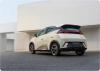 $10k EV hatch packs in 5-minute flash charging
 Apex Recordhunter electric drone sets unofficial speed record
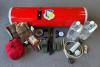 Space-age manna: USAF & SpaceX drop survival kit from orbit
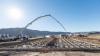 World's first nuclear fusion power plant coming to WA | FOX 13 Seattle
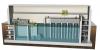 Advanced Small Modular Reactors (SMRs)
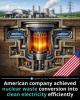 A U.S. energy startup has demonstrated a new type of nuclear reactor that uses existing nuclear...
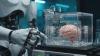 BREAKING: NIH-FUNDED MAD SCIENTISTS HAVE CREATED A HUMANOID ROBOT CONTROLLED...
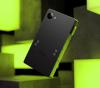 Modular phone promises total privacy at the flick of a switch
 Genetically Engineered War Dogs for 134 Pound Cyborg Dire Wolves Now – Later 600 Pound Wolves
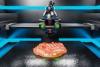 They're Quietly REPLACING Our Food With THIS… And Nobody Is Talking About It!



Breakthrough Material Enables No Electricity Sterilization Will Save Thousands of Lives
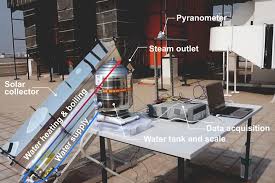
This transparent insulating material is bonded onto the top of off-the-shelf equipment for producing solar hot water. A copper plate with a heat-absorbing black coating is bonded to a set of pipes on the underside. As the sun heats the plate, water flowing through the pipes underneath picks up that heat. But with the addition of the transparent insulating layer on top, plus polished aluminum mirrors on each side of the plate to direct extra sunlight at the plate, the system can generate high-temperature steam instead of just hot water. The system uses gravity to feed water from a tank into the plate; the steam then rises to the top of the enclosure and is fed out through another pipe, which carries the pressurized steam to the autoclave. A steady supply of steam must be maintained for 30 minutes to achieve proper sterilization.
A steady supply of pressurized steam at a temperature of about 125 degrees Celsius will sterilize medical equipment in the developing world and in any off-grid situation. There are still about 700 million people in the world without electricity.