










Breaking News
 Trump ARRESTS Deep State Agents, ITS HAPPENING
 What Is Another Round of Bombing in Iran Actually Going to Achieve?
 Israeli Quadcopter Drones Set Fire to Gaza Tent Camp, Displacing 800 Palestinians
 CNN: US Forces Ready To Launch Major Attacks Against Iran Within 96 Hours of Receiving...
Top Tech News
 $10k EV hatch packs in 5-minute flash charging
 Apex Recordhunter electric drone sets unofficial speed record
 Space-age manna: USAF & SpaceX drop survival kit from orbit
 World's first nuclear fusion power plant coming to WA | FOX 13 Seattle
 Advanced Small Modular Reactors (SMRs)
 A U.S. energy startup has demonstrated a new type of nuclear reactor that uses existing nuclear...
 BREAKING: NIH-FUNDED MAD SCIENTISTS HAVE CREATED A HUMANOID ROBOT CONTROLLED...
 Modular phone promises total privacy at the flick of a switch
 Genetically Engineered War Dogs for 134 Pound Cyborg Dire Wolves Now – Later 600 Pound Wolves
 They're Quietly REPLACING Our Food With THIS… And Nobody Is Talking About It!



Navy To Test Resupply Drones For Warships
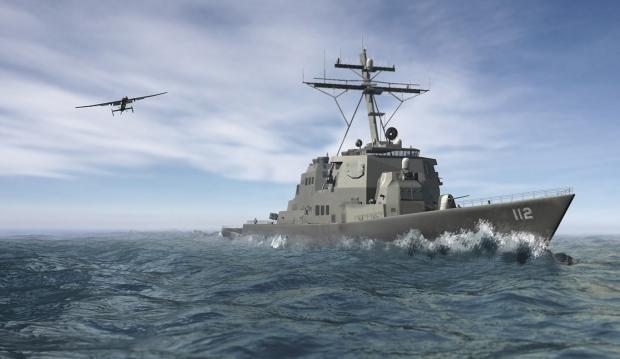
NAWCAD engineers and military pilots are set to evaluate a commercially procured logistics Unmanned Air System (UAS) prototype - called the Blue Water Maritime Logistics UAS - for long-range naval ship-to-ship and ship-to-shore cargo transport.
"The Blue Water logistics UAS will be further developed and tested by the Navy, for the Navy," said NAWCAD Commander Rear Adm. John Lemmon.
"NAWCAD has organic talent and facilities you can't find anywhere else. Combined with increased acquisition freedom granted by Congress, this effort shows how we're doing business differently," Lemmon said.
"This requirement is unlike other cargo requirements that online retailers like Amazon are exploring," said Blue Water's project lead, Bill Macchione.
"Naval cargo transport requires vehicles that can successfully operate through difficult environments that include heavy winds, open water, and pitching vessels at sea," Macchione said.
On the modern battlefield, cargo deliveries to warships are usually conducted via boats and or helicopters. The drone will revolutionize the delivery of critical goods to military vessels. Testing starts in early 2021 at Naval Air Station Patuxent River.