










Breaking News
France's Immigration Party Coming to America: Faster Than You Think
A3Podcast 8 - Our Enemy, the State; Publishing and Accessing An IPFS Website; and more...
 Tuesday War Room LIVE – 'Let Us In': 1 Million Migrants Torch Italy As Trump Warns...
 The Fall of Saudi Arabia?
Top Tech News
 Solar Panels Are Doing Something Nobody Expected
 DeLorean climbs skyward to race electric flying cars
 Atari's 800XL returns with a keyboard, cartridges and BASIC
 Bioinspired robot airdrops into remote waters via morphing wing-sail
 Anduril interceptor adapts to emerging threats via swappable stages
 I Built a Website to Expose Solar and Battery Scams
 Whistleblower Issues Dire Warning: Rogue AI, Hacking Nuclear Programs...
 Multi-material insulation delivers up to 10,000 x the stiffness
 Anduril's plan to save US sub edge from China's undersea surge
 Researchers Develop AI 'Mind-Reading' Tool That Reconstructs What Your Eyes See



The buzz behind bees: Essential allies for survival and prepping
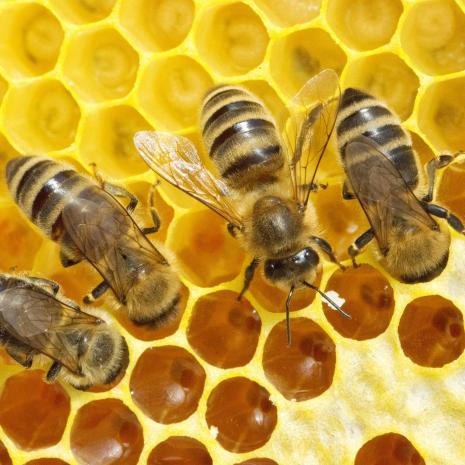
Bee pollen is produced by combining honey, enzymes, flower pollen, nectar, wax and bee secretions. Foraging honey bees collect pollen from plants and transport it to the beehive, where it is stored and used as food for the rest of the colony.
Keep in mind that bee pollen is different from other bee products such as honey, royal jelly or honeycomb because these products may not contain pollen or may contain other substances.
Bee pollen is becoming more popular in the health community because it is full of nutrients, amino acids, vitamins, lipids and over 250 active substances that can help support your overall well-being during emergencies. (h/t to Healthline.com)
Here's why you should have bee pollen in your survival stockpile
Even the Federal Ministry of Health in Germany recognizes the health-supporting properties of bee pollen.
Here are some reasons to stock up on bee pollen before SHTF:
Bee pollen has an impressive nutritional profile with more than 250 active substances
Bee pollen has an impressive nutritional profile. It contains more than 250 biologically active substances, including antioxidants, carbs, enzymes, fatty acids, lipids, minerals, proteins and vitamins.