










Breaking News
 Rising Prices and Falling Values--Inflation and Social Decay
 The non-Zionist Israeli Population Could Save the Day
 AfD Launches 'Knife App' As Berlin Violence Surges
 Oil Prices EXPLODE After Trump Signals That US Is Moving To Wartime Economy
Top Tech News
 DARPA O-Circuit program wants drones that can smell danger...
 Practical Smell-O-Vision could soon be coming to a VR headset near you
 ICYMI - RAI introduces its new prototype "Roadrunner," a 33 lb bipedal wheeled robot.
 Pulsar Fusion Ignites Plasma in Nuclear Rocket Test
 Details of the NASA Moonbase Plans Include a Fifteen Ton Lunar Rover
 THIS is the Biggest Thing Since CGI
 BACK TO THE MOON: Crewed Lunar Mission Artemis II Confirmed for Wednesday...
 The Secret Spy Tech Inside Every Credit Card
 Red light therapy boosts retinal health in early macular degeneration
 Hydrogen-powered business jet edges closer to certification


Full Societal Collapse: San Fran Now Overrun With "Invasive 20 Pound Rodent" Infestation
Then comes the theft, looting and massive homeless drug problem which the city is incapable of fixing, and that ultimately destroys then the city.
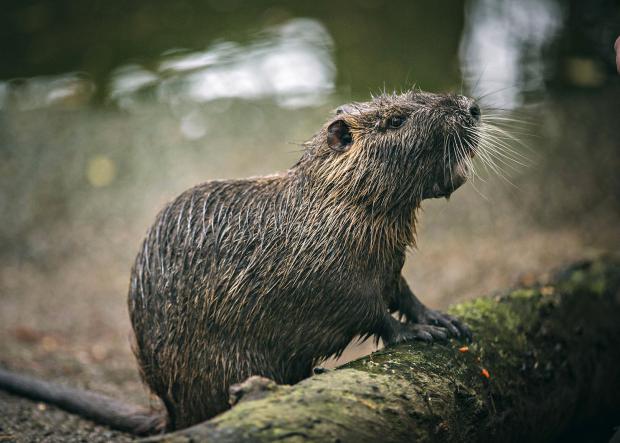
Then comes the massive, invasive 20 pound rodents.
This is the stage San Francisco sees itself at now: dealing with a massive rodent problem.
Nearly a thousand nutria have been hunted in the Bay Area this year, but sightings show the invasive 2.5-foot-long rodents have now spread to Contra Costa County, threatening a key watershed, according to a new report from SF Gate. Wildlife officials are urging the public to report any sightings.
Krysten Kellum, spokesperson for California's Department of Fish and Wildlife, and Matthew Slattengren, Contra Costa County agriculture commissioner, confirmed the discovery in the Sacramento-San Joaquin River Delta, first reported by the San Francisco Chronicle.
The rodents pose a serious threat as they burrow through wetland habitats, damage crops, and can weaken levees, risking failure in a region that supplies water to cities and farms statewide.
The SF Gate report says that nutria can produce up to 200 offspring annually and consume up to 25% of their body weight daily, but destroy up to 10 times more, threatening endangered species and native plants. They also carry diseases like tuberculosis, septicemia, and parasites that can infect humans, pets, and livestock.
Since their first sighting in Merced County in 2017, over 5,000 nutria have been killed in California. Their spread into the Sacramento-San Joaquin Delta prompted officials to ramp up control efforts to protect the ecosystem.
California Department of Fish and Wildlife spokesperson Peter Tira commented: "We cannot have nutria reproducing in the delta. The threat to California's economy is too great."
The first nutria were spotted in Contra Costa County last year, and two were captured on Aug. 15 near Dutch Slough. Their origin and how far they've spread remain unclear.