










Breaking News
 Rising Prices and Falling Values--Inflation and Social Decay
 The non-Zionist Israeli Population Could Save the Day
 AfD Launches 'Knife App' As Berlin Violence Surges
 Oil Prices EXPLODE After Trump Signals That US Is Moving To Wartime Economy
Top Tech News
 DARPA O-Circuit program wants drones that can smell danger...
 Practical Smell-O-Vision could soon be coming to a VR headset near you
 ICYMI - RAI introduces its new prototype "Roadrunner," a 33 lb bipedal wheeled robot.
 Pulsar Fusion Ignites Plasma in Nuclear Rocket Test
 Details of the NASA Moonbase Plans Include a Fifteen Ton Lunar Rover
 THIS is the Biggest Thing Since CGI
 BACK TO THE MOON: Crewed Lunar Mission Artemis II Confirmed for Wednesday...
 The Secret Spy Tech Inside Every Credit Card
 Red light therapy boosts retinal health in early macular degeneration
 Hydrogen-powered business jet edges closer to certification


Don't Call the Vet Until You Check This
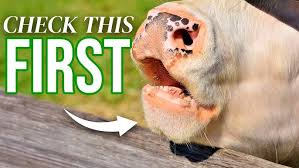
We've been there.
Even though we focus on raising healthy, vigorous animals on our homestead, occasionally something happens. A cow goes down. A ewe struggles after lambing. A dog suddenly won't eat. And when you pick up the phone, the vet starts asking questions you weren't prepared for.
In this episode, I sit down with longtime veterinarian Dr. Patrick Jones from ?@HomeGrownHerbalist? to talk about exactly what you should know before you call the vet.
We cover:
What "signalment" means (and why it matters)
The first vital you should always check
Why breed and age change everything
What your vet really wants to know about poop
How to tell if it's an emergency tonight or a tomorrow morning issue
The simple barn-side checks that can save time and stress
This conversation will help you feel calmer, more prepared, and more confident the next time something unexpected happens with your animals.
If you're raising livestock or caring for animals at home, this is information you'll want to tuck away before you need it.