










Breaking News
 Rising Prices and Falling Values--Inflation and Social Decay
 The non-Zionist Israeli Population Could Save the Day
 AfD Launches 'Knife App' As Berlin Violence Surges
 Oil Prices EXPLODE After Trump Signals That US Is Moving To Wartime Economy
Top Tech News
 DARPA O-Circuit program wants drones that can smell danger...
 Practical Smell-O-Vision could soon be coming to a VR headset near you
 ICYMI - RAI introduces its new prototype "Roadrunner," a 33 lb bipedal wheeled robot.
 Pulsar Fusion Ignites Plasma in Nuclear Rocket Test
 Details of the NASA Moonbase Plans Include a Fifteen Ton Lunar Rover
 THIS is the Biggest Thing Since CGI
 BACK TO THE MOON: Crewed Lunar Mission Artemis II Confirmed for Wednesday...
 The Secret Spy Tech Inside Every Credit Card
 Red light therapy boosts retinal health in early macular degeneration
 Hydrogen-powered business jet edges closer to certification


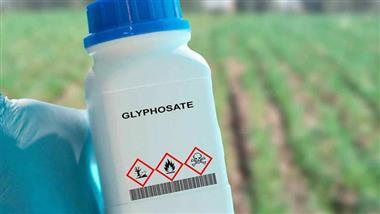
Journal Retracts Unethical Glyphosate Safety Study 25 Years Later
Story at-a-glance
• A highly influential 2000 glyphosate safety study long cited by regulators worldwide was retracted after evidence showed it was ghostwritten by Monsanto scientists and misrepresented as independent research
• Internal company emails revealed Monsanto planned, wrote, and celebrated the paper as a strategic tool to defend Roundup and Roundup Ready crops during a crucial period of expiring patents
• Despite ghostwriting being exposed in a 2017 litigation, the study continued shaping research, regulation, and public perception for years, accumulating more than 1,300 citations before a long-delayed retraction
• The journal admitted the study relied on unpublished Monsanto data while ignoring existing toxicity research, showing how selective evidence can quietly shape policy for years
• The glyphosate case reflects widespread unethical research across health and medicine, showing why you need to question consensus, examine incentives, and protect your health rather than trust the system blindly
For years, I have been sounding the alarm about glyphosate, the toxic herbicide that has infiltrated our food supply, our water, and our bodies. Meanwhile, regulatory authorities and chemical industry representatives have consistently dismissed these concerns, insisting that this ubiquitous weed killer poses no threat to human health and that the "scientific consensus" clearly demonstrates glyphosate's safety. That consensus has just taken a major hit.
In a stunning development that vindicates what many of us have been saying for decades, one of the most influential studies used to justify glyphosate's continued use has now been retracted by the very journal that published it. This study was among the most cited papers defending glyphosate safety, referenced hundreds of times in research papers, policy documents, and even Wikipedia entries that millions of people consult for health information.1
The retraction raises a deeply unsettling question that extends far beyond this single herbicide — How much of the "science" we've been told to trust is actually corrupted by corporate interests, and how many of the chemicals, drugs, and products declared "safe" are slowly poisoning us while hidden hands profit from the public's ignorance?