










Breaking News
 Rising Prices and Falling Values--Inflation and Social Decay
 The non-Zionist Israeli Population Could Save the Day
 AfD Launches 'Knife App' As Berlin Violence Surges
 Oil Prices EXPLODE After Trump Signals That US Is Moving To Wartime Economy
Top Tech News
 DARPA O-Circuit program wants drones that can smell danger...
 Practical Smell-O-Vision could soon be coming to a VR headset near you
 ICYMI - RAI introduces its new prototype "Roadrunner," a 33 lb bipedal wheeled robot.
 Pulsar Fusion Ignites Plasma in Nuclear Rocket Test
 Details of the NASA Moonbase Plans Include a Fifteen Ton Lunar Rover
 THIS is the Biggest Thing Since CGI
 BACK TO THE MOON: Crewed Lunar Mission Artemis II Confirmed for Wednesday...
 The Secret Spy Tech Inside Every Credit Card
 Red light therapy boosts retinal health in early macular degeneration
 Hydrogen-powered business jet edges closer to certification


Too Close for Comfort? Washington Judge's AGO Ties Spark Recusal
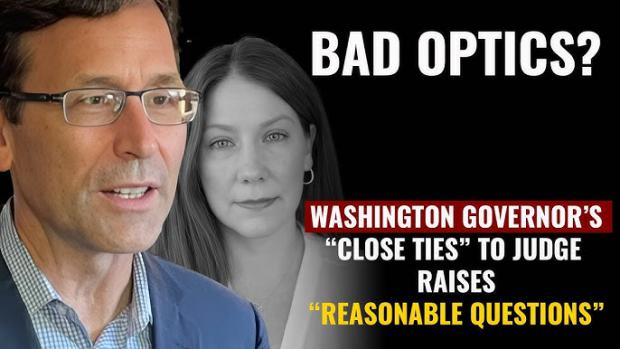
In February 2026, Wade and Teresa King of King Ranch filed a motion asking Grant County Superior Court to recuse Judge Jennifer Richardson from their case against the Washington Department of Natural Resources (DNR).
They are not alleging corruption.
They are not alleging misconduct.
They are asking a narrower question:
Does recent supervisory leadership inside the Washington Attorney General's Office — combined with that same office actively defending DNR in this case — create an appearance issue under Washington's judicial ethics rules?
Under Rule 2.11 of the Washington Code of Judicial Conduct, a judge must step aside if their "impartiality might reasonably be questioned."
This video walks through:
• The reassignment of the case days before a scheduled hearing
• Judge Richardson's prior role as Managing Assistant Attorney General
• Governor Bob Ferguson's appointment to the bench
• The ongoing role of the Attorney General's Office in defending DNR
• The legal standard for recusal in Washington
• Why institutional proximity can matter even without allegations of wrongdoing
This is not commentary.
This is document-driven reporting.
The court will now decide whether the appearance standard has been met.
The February 27 ruling may clarify how Washington courts interpret judicial independence when former executive legal officials transition directly to the bench while their former office remains active in related litigation.