










Breaking News
 Rising Prices and Falling Values--Inflation and Social Decay
 The non-Zionist Israeli Population Could Save the Day
 AfD Launches 'Knife App' As Berlin Violence Surges
 Oil Prices EXPLODE After Trump Signals That US Is Moving To Wartime Economy
Top Tech News
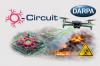 DARPA O-Circuit program wants drones that can smell danger...
 Practical Smell-O-Vision could soon be coming to a VR headset near you
 ICYMI - RAI introduces its new prototype "Roadrunner," a 33 lb bipedal wheeled robot.
 Pulsar Fusion Ignites Plasma in Nuclear Rocket Test
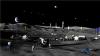 Details of the NASA Moonbase Plans Include a Fifteen Ton Lunar Rover
 THIS is the Biggest Thing Since CGI
 BACK TO THE MOON: Crewed Lunar Mission Artemis II Confirmed for Wednesday...
 The Secret Spy Tech Inside Every Credit Card
 Red light therapy boosts retinal health in early macular degeneration
 Hydrogen-powered business jet edges closer to certification


Report: Almost $1B U.S. tax money funneled into Chinese military research
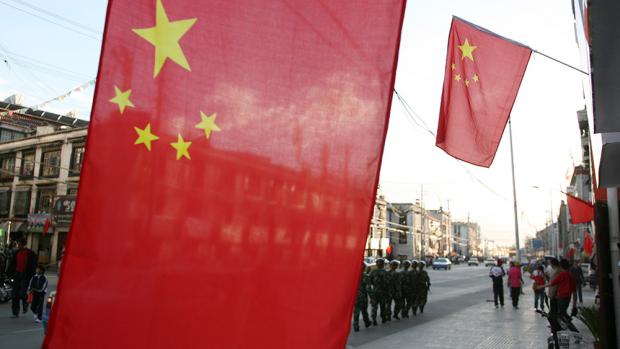
• Nearly $1 billion in federal grants have supported collaborations between U.S. universities and 45 Chinese defense laboratories, advancing sensitive military technologies like AI, hypersonic missiles and aerospace materials.
• Many Chinese labs hide their military ties by removing "defense" branding, making it harder for U.S. institutions to assess risks. Examples include labs linked to China's nuclear weapons program partnering with Princeton and the University of Tennessee.
• The National Science Foundation (71% of identified grants), Department of Energy and Office of Naval Research have financed these projects, despite their potential to strengthen China's military capabilities.
• Current U.S. export controls exempt academic research, allowing collaborations with entities otherwise blacklisted for security risks. Critics demand stricter oversight, including a centralized federal vetting body for high-risk partnerships.
• These partnerships risk intellectual property theft, undermine U.S. technological superiority and violate research ethics by letting China control access to U.S.-funded data – effectively aiding a geopolitical rival.
Nearly $1 billion in U.S. federal research funds have flowed into collaborations with Chinese defense laboratories – many of which are actively advancing Beijing's military capabilities – according to a groundbreaking study published this week.
The report released by the Virginia-based Center for Research Security and Integrity (CRSI) exposes how American universities and government-funded institutions have partnered with Chinese state-run defense labs on sensitive research. It raises urgent concerns about national security and the unintended bolstering of a strategic adversary.