










Breaking News
 Rising Prices and Falling Values--Inflation and Social Decay
 The non-Zionist Israeli Population Could Save the Day
 AfD Launches 'Knife App' As Berlin Violence Surges
 Oil Prices EXPLODE After Trump Signals That US Is Moving To Wartime Economy
Top Tech News
 DARPA O-Circuit program wants drones that can smell danger...
 Practical Smell-O-Vision could soon be coming to a VR headset near you
 ICYMI - RAI introduces its new prototype "Roadrunner," a 33 lb bipedal wheeled robot.
 Pulsar Fusion Ignites Plasma in Nuclear Rocket Test
 Details of the NASA Moonbase Plans Include a Fifteen Ton Lunar Rover
 THIS is the Biggest Thing Since CGI
 BACK TO THE MOON: Crewed Lunar Mission Artemis II Confirmed for Wednesday...
 The Secret Spy Tech Inside Every Credit Card
 Red light therapy boosts retinal health in early macular degeneration
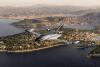 Hydrogen-powered business jet edges closer to certification


The venue from £28BILLION Beijing Games used as a vegetable patch, crumbling hotels in Sarajevo...
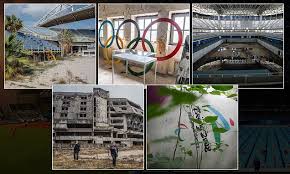
Now that the Milan Cortina Winter Olympics is over, attention turns to the Games' legacy.
One of the main selling points for prospective hosts during the bidding process is the infrastructure that will be left behind for both athletes and the general population to make use of.
But history is littered with examples of millions being spent to host the summer or winter Games, only for the stadiums, courts and Olympic villages to fall into disrepair.
The abandoned and derelict buildings and massive sites that once were teeming fans are a stark reminder of what it looks like when organisers get it wrong.
As a major European city, Milan seems unlikely to fall into that trap but it is worth a trip around the world to see what happens when future-proofing fails.
From the swimming pools of the Berlin 1936 Games collecting grime, to pictures of Rio de Janeiro's crumbling facilities that cost billions - here's a look at the post-apocalyptic-looking worst offenders.
Berlin - 1936
The Olympic village for the Berlin Games back in 1936 was home to 5,000 athletes but is now eerily empty.
That edition of the Games took place three years into Adolf Hitler's Nazi rule and he was desperate to provide a show of might to the world.
The site was built on 550,000 square metres of land owned by the military, possibly why many of the buildings look like barracks.
The old venues were abandoned until 2004 when the Berlin authorities started a restoration process and now there is a museum for people to explore the fascinating and dark history of the area.
Sarajevo - 1984
From one city with a history of conflict to another. Sarajevo, the capital of Bosnia and Herzegovina, hosted the Winter Olympics 42 years ago.
Only six years after the city hosted, the site was a warzone as Yugoslavia fell.
Ski slopes were turned into mining sites and hotels that housed fans and athletes became prisons.
Sarajevo was the first Winter Olympics held in a soviet country at the time and the difference in the images of the competition during peace time and the aftermath is stark.
Greece - 2004
Athens is one of the more cosmopolitan cities on this list but has suffered for different reasons, notably the financial crash that devastated the Greek economy.
The Games returned to the site of its origin back in 2004 and cost £7.8billion to put on.
It was a massive sense of pride that gripped the nation at the time and despite numerous delays to construction and fears about whether the venues would be ready, the Games went off without a hitch.
Now, the Olympics is tainted in the minds of many Greeks after the country was plunged into a depression and suffered brutally with unemployment and poverty.
The abandoned sites that the government pumped so much money into offer a constant reminder of the troubling time.