










Breaking News
 Rising Prices and Falling Values--Inflation and Social Decay
 The non-Zionist Israeli Population Could Save the Day
 AfD Launches 'Knife App' As Berlin Violence Surges
 Oil Prices EXPLODE After Trump Signals That US Is Moving To Wartime Economy
Top Tech News
 DARPA O-Circuit program wants drones that can smell danger...
 Practical Smell-O-Vision could soon be coming to a VR headset near you
 ICYMI - RAI introduces its new prototype "Roadrunner," a 33 lb bipedal wheeled robot.
 Pulsar Fusion Ignites Plasma in Nuclear Rocket Test
 Details of the NASA Moonbase Plans Include a Fifteen Ton Lunar Rover
 THIS is the Biggest Thing Since CGI
 BACK TO THE MOON: Crewed Lunar Mission Artemis II Confirmed for Wednesday...
 The Secret Spy Tech Inside Every Credit Card
 Red light therapy boosts retinal health in early macular degeneration
 Hydrogen-powered business jet edges closer to certification


Status of Iran's Navy and Update on the US-Israel-Iran War
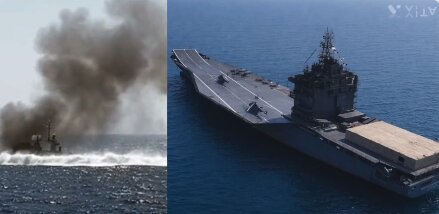
Iran Mosquito Fleet for Mine Laying is Still Intact and a Potential Problem
Iran's strategy for closing the Strait of Hormuz has long centered on asymmetric mosquito fleet tactics. Quick mine deployment via small, hard-to-detect platforms rather than big warships. The most important assets here are the Ghadir-class midget submarines (≈20–23 operational, ~120-ton diesel-electric boats, based on North Korean Yono design). They are optimized for shallow Persian Gulf waters. They carry torpedoes but are especially valued for covert mine-laying, special forces insertion, and ambush in the strait's narrow shipping lanes (only ~2 miles wide per direction). They can bottom-rest to hide acoustically. Iran deployed 20+ of them into the Gulf in the weeks/months before escalation specifically to threaten US carriers and enable mine operations.
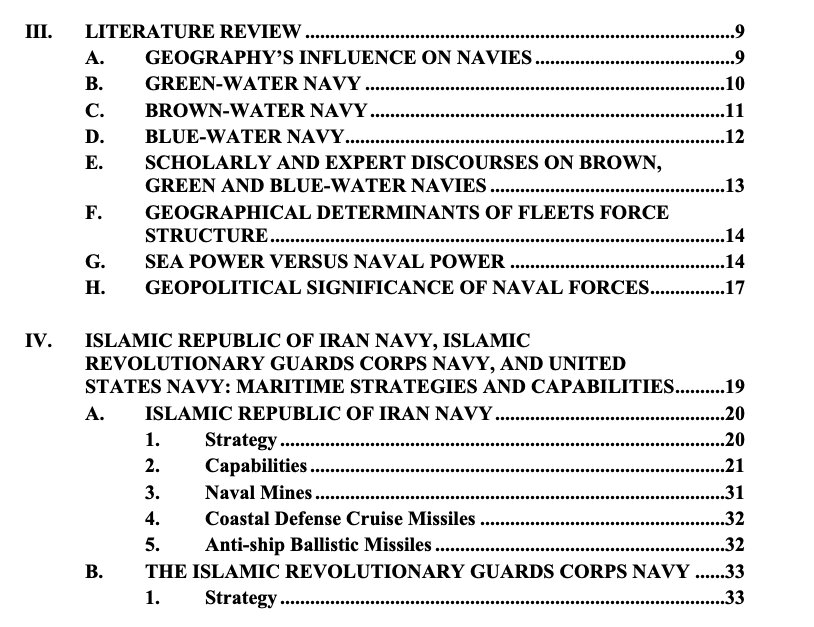
Screenshot
* 82–131 ft shallow water, silent on batteries, seabed-resting capability (blends with bottom clutter), mine-laying, and ambush/guerrilla tactics.
* The Gulf's shallow, noisy, current-swept waters favor Iranian hit-and-run tactics and make traditional deep-water ASW harder (acoustic clutter drowns signatures; subs can bottom out and go silent).
* US nuclear subs and ASW assets (P-8s, MH-60R helos, destroyers) are superior overall, but geography + swarm/mining integration forces resource-intensive, prolonged operations.
* Historical precedent (Tanker War) shows Iran's asymmetric playbook works against unprotected shipping and raises costs even when the US ultimately prevails.
* One of the US Military Objectives is keep the Strait of Hormuz open (20–25 % of global oil, 30 % of LNG transits daily). Shorten the closure or sustained harassment directly threatens the world economy and US energy security.