










Breaking News
 Engineered Energy & Food Crisis? Christian Westbrook on RCR Media with Paul Brennan
SEMI-NEWS/SEMI-SATIRE: April 5, 2026 Edition
 Rising Prices and Falling Values--Inflation and Social Decay
 The non-Zionist Israeli Population Could Save the Day
Top Tech News
 DARPA O-Circuit program wants drones that can smell danger...
 Practical Smell-O-Vision could soon be coming to a VR headset near you
 ICYMI - RAI introduces its new prototype "Roadrunner," a 33 lb bipedal wheeled robot.
 Pulsar Fusion Ignites Plasma in Nuclear Rocket Test
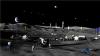 Details of the NASA Moonbase Plans Include a Fifteen Ton Lunar Rover
 THIS is the Biggest Thing Since CGI
 BACK TO THE MOON: Crewed Lunar Mission Artemis II Confirmed for Wednesday...
 The Secret Spy Tech Inside Every Credit Card
 Red light therapy boosts retinal health in early macular degeneration
 Hydrogen-powered business jet edges closer to certification


Democrat Lawmakers in Minnesota Pass Draconian Gun Laws After Silencing Largest Gun Rights Group

The Democrat-controlled Senate Judiciary and Public Safety Committee, chaired by Sen. Ron Latz (DFL), advanced S.F. 3655 - a near-total ban on semiautomatic rifles and magazines holding more than 10 rounds - on a strict 6-3 party-line vote. Latz admitted they "prioritized individual testifiers over organizations" - yet anti-gun groups still got slots while the state's biggest 2A voice was frozen out.
Before allowing input from the public, the Minnesota Gun Owners Caucus - representing tens of thousands of law-abiding citizens - warned the public yesterday that committee staff had already told them the hearing schedule was "full" - effectively blocking them from offering in-person testimony on the core bills: the semi-auto ban, the magazine ban, repeal of state preemption (opening the door to a patchwork of local gun laws), and new carry restrictions at the State Capitol and schools.
Caucus Director of Government Relations & Advocacy Anna Leamy did manage to testify on a secondary privacy bill (S.F. 3836, which would expose permit-to-carry holder data to harassment and passed on a voice vote). She stood firm when Latz tried to grill her on the partisan ties of the "Violence Prevention Project" pushing for taxpayer-funded gun-control propaganda. But on the bills that actually matter - the ones that would turn everyday hunters, sport shooters, and self-defense gun owners into felons - the largest gun rights group in Minnesota was effectively silenced.
"This isn't democracy. That's rigging the hearing," the caucus stated bluntly before today's vote — and the numbers proved them right.
These bills are textbook draconian. S.F. 3655 doesn't just target so-called "assault weapons"; it criminalizes nearly every modern semiautomatic rifle and standard-capacity magazine in common use. Grandfathering is a joke: current owners face registration, home inspections by law enforcement, storage mandates, and transfer bans.
The Bills
SF 3655 (Semiautomatic Military-Style Assault Weapons and Large-Capacity Magazines Ban)
Bans manufacture, import, transfer, ownership, or possession of "semiautomatic military-style assault weapons" (e.g., AR-15, AK-47 variants and similar rifles/pistols/shotguns with features like pistol grips, folding stocks, threaded barrels, or detachable magazines) and large-capacity magazines (>10 rounds or parts to make them). Current owners can grandfather items by certifying/registering with state/local authorities by Feb 1, 2027 (fee required, renew every 3 years), with strict storage rules, limited use (e.g., no hunting, only on private property or ranges), no transfers (except surrender/destruction), and possible inspections. Violations are felonies (up to 5 years prison/$25,000 fine). Effective August 1, 2026. Exceptions for law enforcement/military.
SF 3836 (Firearm Permit Data Classification and Retention)
Makes data on revocation, suspension, or voiding of a permit to carry a firearm public (previously more protected). Also makes permit data public if the holder dies by suicide with a firearm or from police use of force. Extends retention requirements for these records (e.g., 6 years for denied/revoked/voided permits or specified death cases). General active permit application/purchase data remains private; sheriffs must purge non-essential inactive records annually except in these cases. No broad public release of current permit holder lists.