Breaking News
 New York Times: '13 U.S. Bases Uninhabitable' -- We Could've Just Marched Home
 DEVELOPING: 10 US Service Members Seriously Injured in Iranian Missile Attack...
 US tourists warned they must give over phone, computer passwords
 NYT: Iran's Strikes Have Wrecked 13 U.S. Bases in Middle East. Trump Extends Deadline to Reopen.
Top Tech News
 We Build and Test Microwave Blocking Panels - Invisible to Radar
 Man Successfully Designs mRNA Vaccine To Treat His Dog's Cancer
 Watch: Humanoid robot gets surprisingly good at tennis
 Low-cost hypersonic rocket engine takes flight for US Air Force
 Your WiFi Can See You. Here's How.
 Decentralizing Defense: A $96 Guided Rocket Just Put Precision Warfare into the Hands of the People
 Israel's Iron Beam and the laser future of missile defense
 Scientists at the Harbin University of Science and Technology have pioneered a sophisticated...
 Researchers have developed a breakthrough "molecular jackhammer" technique...
 Human trials are underway for a drug that regrows human teeth in just 4 days.



You Can't Have a Party Without Helium Balloons
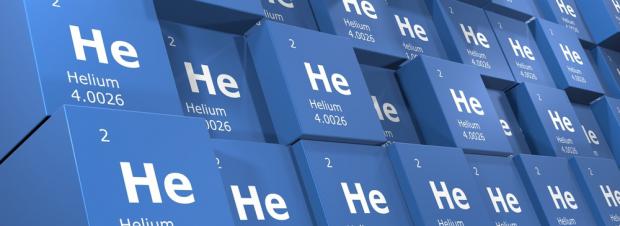
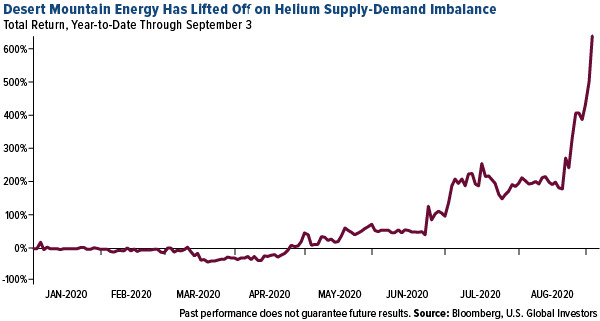
Helium is one of the best examples of a "hidden strategic commodity"—and the U.S. situation is a mix between a mistaken policies, geopolitics and demand increases causing supply concerns. Now, with the war in the Middle East, we're seeing a perfect storm develop.
Helium
Helium is produced as a byproduct of natural gas drilling. Its unique properties as a nonreactive gas and supercooling liquid make it invaluable for MRI machines and rocket fuel. Helium in itself is not rare like some of the metals covered with State Speculators, but current market dynamics are pinching supplies.
Helium is also used in semiconductor manufacturing, space and defense industries. The USA obtains the vast majority of its helium from domestic natural gas processing, with key production hubs in Texas, Oklahoma, Kansas, and Wyoming. Every year, US leads with about 40% of the global production.