










Breaking News
 Americans Are Officially Out Of Money To Spend -- We Had To React
 Arizona reports several cyclosporiasis cases: What to know | FOX 10 Phoenix
 South Korea's AI Bubble Just Popped
 It's Not Just a New Jersey Scandal – SIX States Were Previously Caught Including THOUSANDS...
Top Tech News
 Anthropic is launching its own drug discovery programs for rare diseases using Claude...
 SpaceX AI Satellites Will Have 250 Kilowatts of Power
 Chinese researchers have developed a sodium-metal battery that can fully charge in just 4 minutes...
 SpaceX Starship Flight 13 in 3 Days - Thursday July 13
 Chinese Scientists Develop Nuclear Battery Using Carbon-14
 Teleoperated humanoid robots complete first-ever live surgery
 Floating capsule auto-disinfects water without chemicals or battery
 Modular Reactors To Solve Data Center Hysteria?
 DeepSeek Developing In-House AI Chip In Bid To Cut Nvidia Reliance
 America just took three brand-new nuclear reactors critical in thirty days, a first for any...



MIT WINS SPACEX'S HYPERLOOP POD DESIGN COMPETITION
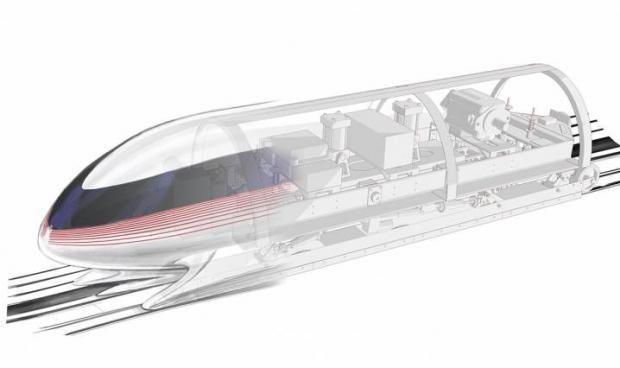
WITH ELON MUSK IN ATTENDANCE, THE TEAM BESTED 120-PLUS COMPETITORS
"Just one more important remark," said Dr. Steve Davis, SpaceX's director and emcee of this past Saturday's first-ever Hyperloop pod design competition. "There's been a hashtag that we've been using this whole time — #breakpod," he said, after announcing the event's winners. "But today another hashtag popped up: #whereisElon. I think we may be able to answer that question for you…"
As Elon Musk walked out on stage, the crowd immediately erupted into one loud, unified cheer. He was the reason they were all there. Challenged by Musk in his white paper that introduced the world to the Hyperloop, the 120-plus teams had spent months developing pods to help bring the concept one step further to reality (and a quick note, for those unfamiliar with the Hyperloop, which projects giant elevated tubes that will transport people in pods from city to city at speeds that can reach upwards of 800 miles per hour).
"We're looking forward to making our pod a real thing."
The weekend provided students from around the globe with a chance to finally unveil what the long hours had reaped. Teams put out swag, models, and interactive demonstrations on their booth tables to draw in viewers and other passerby to demonstrate their labor and attention to minute detail, including how the pods would move within the track to safety features and even materials and cost analyses. They were eager to unveil their designs.
The cream of the competition was the Massachusetts Institute of Technology's graduate student team, which emerged as the top choice among teams in attendance from 20 countries and 27 U.S. states.