










Breaking News
Immigration Causing Tribalization of America into Cultural Chaos
 The Evil Within, Part 4: The Welfare State
 Watch Live: Jack Smith Testifies Before Senate Judiciary Committee
 This Invisible Thing Hitting Your Brain Every Day Could Be Why You Suffer From Brain Fog...
Top Tech News
 Tesla Model 3 killer charges from 10 to 97% in just 9 minutes
 World-first unpowered DNA computer sets speed record
 I Power 5 Buildings Off-Grid. Here's How
 The US government is pushing hard to get a working nuclear fission reactor into space by late 2028
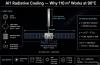 SpaceX Starmind AI in Space Radiator
 China Will Dominate Global Nuclear Energy Through 2035, Analyst Says
 These Absolutely Wild-Looking EVs Are Saudi Arabia's First Homegrown Cars
 BEYOND THE MOON: NASA plans a nuclear-powered fleet to push DEEPER into space
 Big Oil Backs Mazama's $135 Million Bet On Superhot Geothermal
 Quantum compass takes flight on Northrop's Lumberjack drone


Samsung Patents Contact Lenses With Built-In Camera
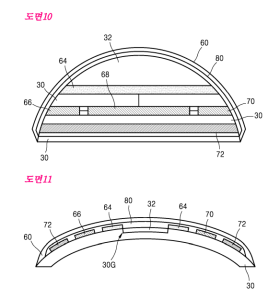
According to SamMobile, the patent includes a "contact lens equipped with a tiny display, a camera, an antenna, and several sensors that detect movement and the most basic form of input using your eyes: blinking."
A smartphone will be required for the device to work, according to documents.
The "smart" contact lenses could prove to be a substantial upgrade from so-called "smart glasses", posing a threat to what will be its main competitor in the market, Google Glasses.
SamMobile states that the "lenses can provide a more natural way to provide augmented reality than smart glasses."
Google owns two patents for smart contact lenses with flexible electronics and sensors that analyze a chemical in the tear fluid of the wearer's eyes to determine if their blood sugar levels have fallen to fatal levels.
Samsung applied for its smart contacts patent in 2014, the same year Google received patents in the U.S. for its smart contacts.