










Breaking News
 Americans Are Officially Out Of Money To Spend -- We Had To React
 Arizona reports several cyclosporiasis cases: What to know | FOX 10 Phoenix
 South Korea's AI Bubble Just Popped
 It's Not Just a New Jersey Scandal – SIX States Were Previously Caught Including THOUSANDS...
Top Tech News
 Anthropic is launching its own drug discovery programs for rare diseases using Claude...
 SpaceX AI Satellites Will Have 250 Kilowatts of Power
 Chinese researchers have developed a sodium-metal battery that can fully charge in just 4 minutes...
 SpaceX Starship Flight 13 in 3 Days - Thursday July 13
 Chinese Scientists Develop Nuclear Battery Using Carbon-14
 Teleoperated humanoid robots complete first-ever live surgery
 Floating capsule auto-disinfects water without chemicals or battery
 Modular Reactors To Solve Data Center Hysteria?
 DeepSeek Developing In-House AI Chip In Bid To Cut Nvidia Reliance
 America just took three brand-new nuclear reactors critical in thirty days, a first for any...



Private Lynx Space Plane Could Take Off in Early 2017
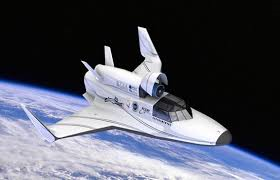
That other vehicle is the Lynx rocket plane, a reusable spacecraft being built by XCOR Aerospace. Like SpaceShipTwo, Lynx is designed to carry paying customers and scientific payloads to suborbital space and back.
The Lynx currently under construction is a prototype, and it was a wingless shell when Space.com dropped by XCOR's Mojave headquarters on Feb. 19 — the same day that Virgin unveiled its shiny new SpaceShipTwo, dubbed "Unity," at a hangar just down the road. [Watch: Inside XCOR: Our Exclusive Video Tour]
But Lynx's four-engine propulsion system is nearly ready to go, and the prototype could conceivably take to the skies for the first time in early 2017, Harry van Hulten, XCOR's director of flight testing and one of two test pilots for the company, told Space.com.