










Breaking News
 Americans Are Officially Out Of Money To Spend -- We Had To React
 Arizona reports several cyclosporiasis cases: What to know | FOX 10 Phoenix
 South Korea's AI Bubble Just Popped
 It's Not Just a New Jersey Scandal – SIX States Were Previously Caught Including THOUSANDS...
Top Tech News
 Anthropic is launching its own drug discovery programs for rare diseases using Claude...
 SpaceX AI Satellites Will Have 250 Kilowatts of Power
 Chinese researchers have developed a sodium-metal battery that can fully charge in just 4 minutes...
 SpaceX Starship Flight 13 in 3 Days - Thursday July 13
 Chinese Scientists Develop Nuclear Battery Using Carbon-14
 Teleoperated humanoid robots complete first-ever live surgery
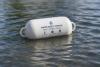 Floating capsule auto-disinfects water without chemicals or battery
 Modular Reactors To Solve Data Center Hysteria?
 DeepSeek Developing In-House AI Chip In Bid To Cut Nvidia Reliance
 America just took three brand-new nuclear reactors critical in thirty days, a first for any...



The Fastest Ship in the US Navy: Boeing Pegasus-Class Hydrofoils (720p)
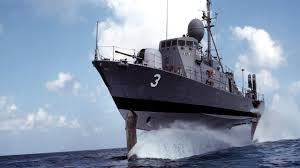
This video depicts some of the Boeing-built hydrofoils named after Tucumcari, New Mexico, it was the basis for the technology used in the subsequent Pegasus-class patrol boats and the Jetfoil ferries. Its unique feature was a waterjet propulsion and a computer-controlled fully submerged foil configuration of one foil at the bow and foils on the port and starboard sides. The Tucumcari was one of two prototype boats contracted by the Navy for the purpose of evaluating the latest hydrofoil technology with a top speed of 50 knots. The second boat was the rival Grumman built USS Flagstaff (PGH-1).