










Breaking News
 This is the future we shall bring into being
 Elon Musk's Vision For The Future Looks Like A Movie
 Phosphorus Munitions Fired by Israel Burn Groves, Orchards in Southern Lebanon
 Iran's IRGC Warns It Will Expand 'Geography of the War' If the US Attacks Again
Top Tech News
 BEYOND THE MOON: NASA plans a nuclear-powered fleet to push DEEPER into space
 Big Oil Backs Mazama's $135 Million Bet On Superhot Geothermal
 Quantum compass takes flight on Northrop's Lumberjack drone
 Terrifying AI Behavior Even Its Creators Couldn't Explain
 WW3 Near-Miss? AI Hallucinated Nuclear Weapons Components Aboard Chinese Vessel Bound For Iran
 Stripe Is Building the Toll Road for the Machine Economy
 Toyota Dakar hopeful swaps twin-turbo V6 for hydrogen fuel cells
 4-min turbo-inflatable cubic camp castle is now available in the USA
 Researchers Used Claude To Hack OpenAI Employee Accounts
 Chinese Scientists Develop New Oil Refining Method That Cuts Energy Use by 90%



Blue Origin's next rocket may finally get sea legs
Just a day after revealing its shiny new engine, the BE-4, Blue Origin is showing off its latest rocket in a new video. Set to inspiring music and full of glistening graphics, the animated New Glenn rocket wiggles its landing fins before lifting off. In space, the payload and second stage separate from the main booster, and the latter falls back to Earth, firing its thrusters for a gentle landing on … a platform in the sea.
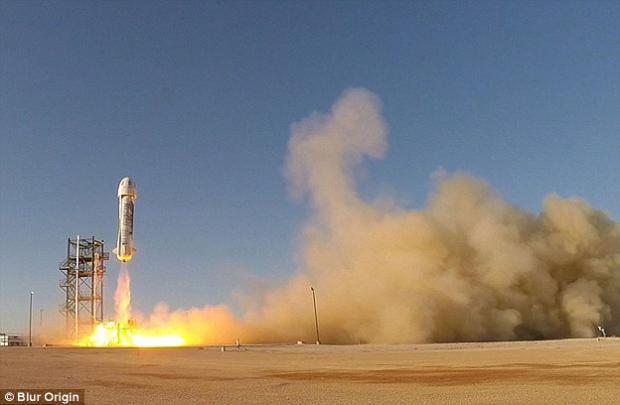
Although Blue Origin's New Shepard rocket beat SpaceX's Falcon 9 in traveling to space and returning for a vertical landing on solid ground, SpaceX has already mastered the art of sea landings, which are more difficult.
Sea landings make it a lot easier to reuse rockets, because about half of all launches end up flying over the ocean. You can either expend a lot of (heavy, expensive-to-launch) fuel returning the booster to land, or you can bring the landing platform to the booster, as SpaceX does with its drone ships.