










Breaking News
 Iran's IRGC Warns It Will Expand 'Geography of the War' If the US Attacks Again
 This isn't sci-fi, AI is already killing people
 Redrawing the Map of the Middle East?
 How Human Extinction Became the Default Setting
Top Tech News
 BEYOND THE MOON: NASA plans a nuclear-powered fleet to push DEEPER into space
 Big Oil Backs Mazama's $135 Million Bet On Superhot Geothermal
 Quantum compass takes flight on Northrop's Lumberjack drone
 Terrifying AI Behavior Even Its Creators Couldn't Explain
 WW3 Near-Miss? AI Hallucinated Nuclear Weapons Components Aboard Chinese Vessel Bound For Iran
 Stripe Is Building the Toll Road for the Machine Economy
 Toyota Dakar hopeful swaps twin-turbo V6 for hydrogen fuel cells
 4-min turbo-inflatable cubic camp castle is now available in the USA
 Researchers Used Claude To Hack OpenAI Employee Accounts
 Chinese Scientists Develop New Oil Refining Method That Cuts Energy Use by 90%



The Implication Of Rapidly Improving Artificial Intelligence
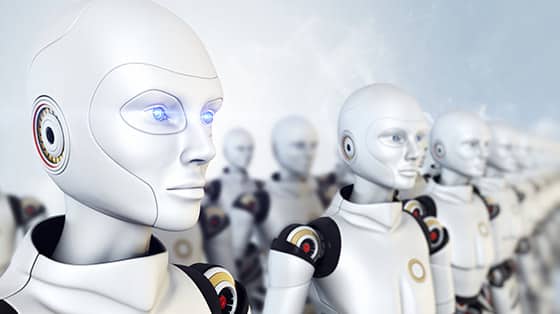
Recognizing the human voice, new tech gadgets can play music, search the web, shop online, check the weather, and even switch on the lights or control the central heating. But while we get to know these new interactive electronics, a report last week sounded the alarm over the implications of rapidly improving artificial intelligence.
They listen, they talk and very soon, according to some experts, they will be taking over our homes, our jobs and our lives. Thousands of Americans unwrapped voice-activated electronic devices on Christmas Day. Amazon's Alexa service, Apple's Home Pod, and Google's Home speakers were among the best-sellers.
The study, from the Institute for Public Policy Research (IPPR) warns of thousands of jobs being lost to robots and those with those on lowest wages likely to be hardest hit. As it becomes more expensive to hire people for work because of government intervention like minimum wage hikes and overbearing regulations, more companies are shifting to robotics to save money on labor.