










Breaking News
 Despite German State Stimulus: Machinery Industry Braces For A Catastrophic Year
 'Survival Mode' - Farmers Crushed As Trump's War On Iran Sends Diesel Cost Soaring
 Joby Completes First Autonomous Flight Across US
 Fox News Suspends Its Pool Coverage of Trump, Supports CNN, MS NOW, Politico
Top Tech News
 BEYOND THE MOON: NASA plans a nuclear-powered fleet to push DEEPER into space
 Big Oil Backs Mazama's $135 Million Bet On Superhot Geothermal
 Quantum compass takes flight on Northrop's Lumberjack drone
 Terrifying AI Behavior Even Its Creators Couldn't Explain
 WW3 Near-Miss? AI Hallucinated Nuclear Weapons Components Aboard Chinese Vessel Bound For Iran
 Stripe Is Building the Toll Road for the Machine Economy
 Toyota Dakar hopeful swaps twin-turbo V6 for hydrogen fuel cells
 4-min turbo-inflatable cubic camp castle is now available in the USA
 Researchers Used Claude To Hack OpenAI Employee Accounts
 Chinese Scientists Develop New Oil Refining Method That Cuts Energy Use by 90%



Stanford Cancer 'vaccine' eliminates any cancer tumor in mice and human trials...
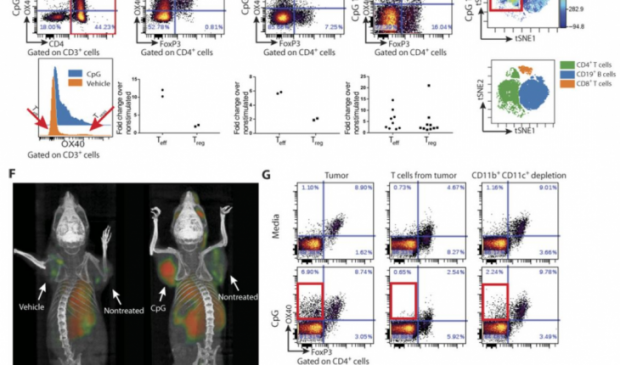
Injecting minute amounts of two immune-stimulating agents directly into solid tumors in micecan eliminate all traces of cancer in the animals, including distant, untreated metastases, according to a study by researchers at the Stanford University School of Medicine.
The approach works for many different types of cancers, including those that arise spontaneously, the study found.
The researchers believe the local application of very small amounts of the agents could serve as a rapid and relatively inexpensive cancer therapy that is unlikely to cause the adverse side effects often seen with bodywide immune stimulation.
"When we use these two agents together, we see the elimination of tumors all over the body," said Ronald Levy, MD, professor of oncology. "This approach bypasses the need to identify tumor-specific immune targets and doesn't require wholesale activation of the immune system or customization of a patient's immune cells."