










Breaking News
 TikTok Mob Now Stalks Clancy Holdout Juror's Family
 Bill Gates Calls For Globalist Crackdown On AI
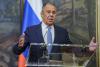 Lavrov Warns That If NATO Attacked Russia, War Would Be "Very Short"
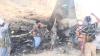 Houthis Issue Video Of Saudi F-15 Shootdown, As Ground Clashes Intensify In Yemen
Top Tech News
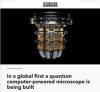 Quantum computing may soon become part of the microscope itself.
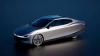 Volkswagen Just Unveiled The Most Efficient EV Ever Tested
 NASA Super Light Solar Sail Project Will Be 12-40 Times Lighter and Faster
 Space Telescope Interferometer to Image Exoplanet Continents
 Twenty-five years of "temporary": how 9/11 built a surveillance state Americans never vote
 I'll Never Buy Another WALMART Battery!
 Shoei GT-Air 3 Smart helmet drops with built-in AR for $1,500
 AI Whistleblower Tells Tucker How AI Could Kill All Humans by 2040
 You Hate Flock? Well There's More...
 Will Spiking Diesel Prices Drive Autonomous Trucking?



Our Favorite Price
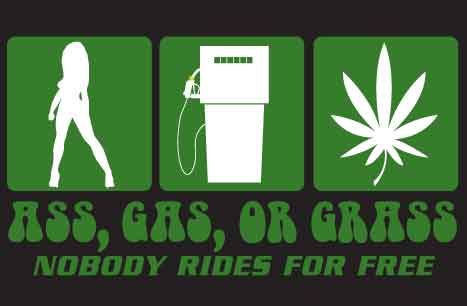
Ass, gas or grass – no one rides for free. So said the once popular bumper sticker.
Unless you drive an EV.
Then you can use the government to force someone else to "help" pay for your ride – and your road. Because you don't have to pay any of the gas taxes that fund the roads.
It's quite a five-fingered discount, too.
Gas taxes – federal and state – tally about 50 cents on average, added to the cost of every gallon of gasoline (and diesel) sold. If your car's tank holds 15 gallons – which is typical – you're paying about $7.50 in taxes every fill-up, regardless of the cost of the gas.
If you fill up twice a week, that's about $30 per month – or $360 annually. Over the course of a six-year new car loan, the bite comes to $2,160.
Owners of vehicles with bigger tanks that use more gas pay more in taxes, obviously. If you have an SUV or pick-up with a 21 gallon tank, each fill-up costs you about $10 in motor fuels taxes, or $40 each month – $480 annually.
$2,880 over six years.
But EV owners don't pay a red cent. This includes Ludicrous Speed energy hogs like the Tesla S – which burn up lots of untaxed electricity.