










Breaking News
 Facilitating Wholesale Digital Asset Settlement
 October 7th special with PROJECTPENS.org on Ben Swann's "America Now"
 Paris is on fire as rioters take over across France
 Trump Refuses Iran's Offer To Bail Out His Presidency
Top Tech News
 Bioinspired robot airdrops into remote waters via morphing wing-sail
 Anduril interceptor adapts to emerging threats via swappable stages
 I Built a Website to Expose Solar and Battery Scams
 Whistleblower Issues Dire Warning: Rogue AI, Hacking Nuclear Programs...
 Multi-material insulation delivers up to 10,000 x the stiffness
 Anduril's plan to save US sub edge from China's undersea surge
 Researchers Develop AI 'Mind-Reading' Tool That Reconstructs What Your Eyes See
 Video: Dexterous robot hand learns the delicate art of silk embroidery
 The computer that can read your mind:
  Seven apps. One craft


Natural healing with willow bark: How to find natural aspirin when SHTF
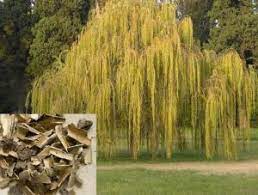
(Natural News) Knowing how to grow or where to find plants that can be used as natural remedies is an important survival skill. This ensures that when SHTF, you can still treat minor complaints like headaches or migraines.
If you frequently suffer from headaches, use willow as a natural alternative to aspirin. (h/t to PreppersWill.com)
Foraging safety tips
Before disaster strikes, learn how to properly identify plants and trees to avoid any accidents.
Some medicinal plants have poisonous lookalikes, so one mistake can cost you your life. When foraging, stick with familiar foods and forage only for edible plants you're 100 percent sure you recognize.
Even though a lot of plants in your area are edible, there are also many poisonous ones that you may be unaware of. Sticking to what you know restricts your options for finding food, but it will also help reduce your chance of getting poisoned.