










Breaking News
City by City Being Eaten Alive by Third World Immigration in America
 "Doomsday": U.S. Military Planning To Survive 90 Days Without Power Grid
 Former DOGE Staffers Hacked Into Anthropic's Internal Systems In 12 Hours...
 MASSIVE CRASH at the opening in Brazil
Top Tech News
 Modular phone promises total privacy at the flick of a switch
 Genetically Engineered War Dogs for 134 Pound Cyborg Dire Wolves Now – Later 600 Pound Wolves
 They're Quietly REPLACING Our Food With THIS… And Nobody Is Talking About It!
 Chicago Opens First "Teacher-Free" AI School as Global Push Accelerates
 Solar Panels Are Doing Something Nobody Expected
 DeLorean climbs skyward to race electric flying cars
 Atari's 800XL returns with a keyboard, cartridges and BASIC
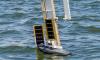 Bioinspired robot airdrops into remote waters via morphing wing-sail
 Anduril interceptor adapts to emerging threats via swappable stages
 I Built a Website to Expose Solar and Battery Scams


Selco: The Dirty Truth About Water and Sanitation When the SHTF
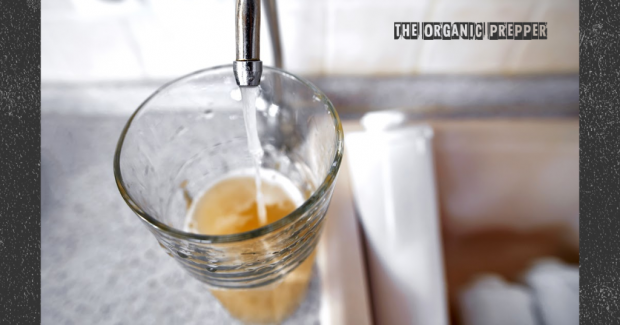
Note: The biggest concerns in any long-term emergency are water and sanitation because the lack of these things can cause serious illness or even death. Because water and sanitation aren't nearly as glamorous as guns and gadgets, they're often overlooked in a preparedness plan. I asked Selco some questions about these important issues in this interview. The truth about it is dirty, unpleasant, and something for which you absolutely must plan.
Once there was no more running water, how did you get drinking water?
Just like most other things (especially when it comes to non-preppers) it was a matter of levels and layers.
The tap water was going on and off for a few days before service went completely off, so people had a few bottles of drinking water stored. But of course, most of us thought everything going to be restored very soon so nobody had thought about storing big amounts of water.
When it comes to lack of water and being unprepared, the levels and layers that I am mentioning meant that you first looked and asked for tap water (clean) for drinking. Then collecting water from rooftops sounded like a good idea. Then drinking directly from the river was good if there was no other source. And then, finally, when there was no other source. you simply drink dirty water even when you were sure it is quite dirty.
It was a matter of low resources, desperation, and of course low skill levels.
Our main sources were rain and the river.
Can you tell us about your rainwater collection system?
It was not anything smart, especially in the beginning.