










Breaking News
 US Senate Passes Housing Bill With Four-Year Fed CBDC Ban
 "It's That Bad": Virginia Residents Battling Constant Noise From Data Center Generator
 'Groundbreaking' Potential Lupus Cure Sends Patients into Remission, Allowing Dreams...
 Leader of group convicted in antifa-inspired attack on Texas ICE facility handed 100-year prison...
Top Tech News
 Speculations on What Could Show Physics Beyond the Standard Model
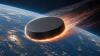 SpaceX Orbital Travel and Orbital Hotels Need Starfall – Getting Back Safe and Cheap is Exciting
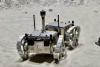 Lizard-inspired wiggly wheels let Mars rover swim through sand
 Fact Sheet: President Donald J. Trump Ushers in the Next Frontier of Quantum Innovation
 Researchers at Johns Hopkins University just let an AI-guided robot remove a dead pig's gallblad
 World's first consumer wing-in-ground effect aircraft takes flight
 America's Military Readiness Depends On Deployable Nuclear Power
 License Plate Cameras Are About To Start Tracking A Lot More Than Just Your Car
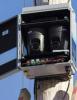 Heads up: Apparently the government is hiding cameras inside fake utility boxes
 Sodium Batteries And EVs That Power The Grid: Inside GM's Big Energy Push



ORNL tackles control challenges of nuclear rocket engines
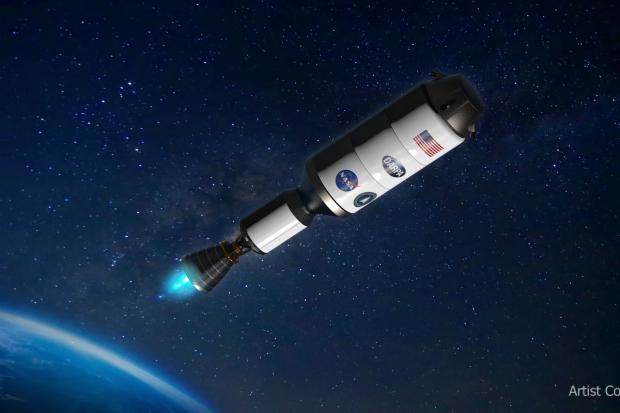
Perhaps the greatest bottleneck for humanity exploring the Solar System in person or even with swarms of highly sophisticated robots is the lack of the means to get from one celestial body to another.
Historically, getting into space and sending heavy payloads across or out of the Solar System has relied on chemical rockets. They do the job, and very well, but they suffer from the fact that even when the first German V2 flew into space in 1944, these rockets were already operating at near their theoretical limits. True, a lot of progress has been made since then, but it's mainly been in the realm of tweaking the system and cutting down on weight.