










Breaking News
 According to an informed federal official, in the coming months the Trump administration...
 Trump Called AI Doomsday Fears A 'Hoax' - AI Chat Bots Disagree
 New photos show widespread damage at U.S. positions caused by Iranian missile, drone attacks
 Thomas Massie To Force Vote On Impeaching Pete Hegseth
Top Tech News
 Quantum computing may soon become part of the microscope itself.
 Volkswagen Just Unveiled The Most Efficient EV Ever Tested
 NASA Super Light Solar Sail Project Will Be 12-40 Times Lighter and Faster
 Space Telescope Interferometer to Image Exoplanet Continents
 Twenty-five years of "temporary": how 9/11 built a surveillance state Americans never vote
 I'll Never Buy Another WALMART Battery!
 Shoei GT-Air 3 Smart helmet drops with built-in AR for $1,500
 AI Whistleblower Tells Tucker How AI Could Kill All Humans by 2040
 You Hate Flock? Well There's More...
 Will Spiking Diesel Prices Drive Autonomous Trucking?



Biden Will Unveil Executive Order Regulating AI on Monday
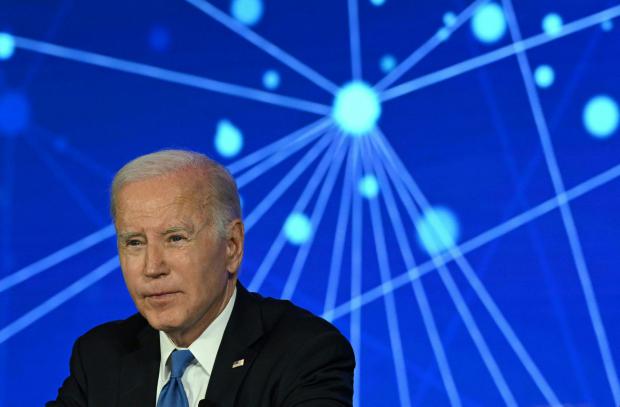
Advances in AI are coming so fast that some experts believe we're already behind the curve in hoping to control a technology that promises much but also could have the capacity to destroy us.
One thing is sure: the effort to regulate AI will grow the size of the government substantially.
The executive order will create several new agencies and task forces and, according to Politico, "pave the way for the use of more AI in nearly every facet of life touched by the federal government, from health care to education, trade to housing, and more."
At the same time, the Oct. 23 draft order calls for extensive new checks on the technology, directing agencies to set standards to ensure data privacy and cybersecurity, prevent discrimination, enforce fairness and also closely monitor the competitive landscape of a fast-growing industry. The draft order was verified by multiple people who have seen or been consulted on draft copies of the document.
The White House did not reply to a request to confirm the draft.
Though the order does not have the force of law and previous White House AI efforts have been criticized for lacking enforcement teeth, the new guidelines will give federal agencies influence in the US market through their buying power and their enforcement tools. Biden's order specifically directs the Federal Trade Commission, for instance, to focus on anti-competitive behavior and consumer harms in the AI industry — a mission that Chair Lina Khan has already publicly embraced.
Biden has pledged that he would make sure "America leads the way toward responsible AI innovation." What exactly would "responsible AI innovation" look like?
Phil Siegel, the founder of the Center for Advanced Preparedness and Threat Response Simulation (CAPTRS), told Fox News Digital. "We should applaud the first step through the EO but quickly need a framework for the detailed steps beyond that truly safeguard our freedoms."