










Breaking News
 TikTok Mob Now Stalks Clancy Holdout Juror's Family
 Bill Gates Calls For Globalist Crackdown On AI
 Lavrov Warns That If NATO Attacked Russia, War Would Be "Very Short"
 Houthis Issue Video Of Saudi F-15 Shootdown, As Ground Clashes Intensify In Yemen
Top Tech News
 Quantum computing may soon become part of the microscope itself.
 Volkswagen Just Unveiled The Most Efficient EV Ever Tested
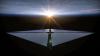 NASA Super Light Solar Sail Project Will Be 12-40 Times Lighter and Faster
 Space Telescope Interferometer to Image Exoplanet Continents
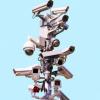 Twenty-five years of "temporary": how 9/11 built a surveillance state Americans never vote
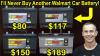 I'll Never Buy Another WALMART Battery!
 Shoei GT-Air 3 Smart helmet drops with built-in AR for $1,500
 AI Whistleblower Tells Tucker How AI Could Kill All Humans by 2040
 You Hate Flock? Well There's More...
 Will Spiking Diesel Prices Drive Autonomous Trucking?



Doctors Say Injecting Gold Into Eyeballs Could Restore Lost Vision

Gold, laser goggles, and a camera: it's an unlikely combination that could one day be used to restore vision in people with retinal damage, according to researchers.
In a new study published in the journal ACS Nano, the team found that injecting gold nanoparticles into the eyes of mice with retinal disorders helped stimulate the rodents' visual systems and bring back some vision.
When targeted with infrared lasers, the microscopic gold pieces reproduce electrical signals similar to those emitted by cells in the retina that are essential to eyesight but are damaged by conditions like macular degeneration, which affects some 20 million Americans.