










Breaking News
 2008 Crash Prophet Issues URGENT Bubble Warning for 2025 - Maloney
 3D Printed Aluminum Alloy Sets Strength Record on Path to Lighter Aircraft Systems
 Bitcoin Surges to $114,777 as Crypto Economy Adds $170 Billion in a Single Day
 'Darker The Better': Daily Cocoa Slows 'Inflammaging' By 70%
Top Tech News
SEMI-NEWS/SEMI-SATIRE: October 12, 2025 Edition
 Stem Cell Breakthrough for People with Parkinson's
 Linux Will Work For You. Time to Dump Windows 10. And Don't Bother with Windows 11
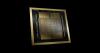 XAI Using $18 Billion to Get 300,000 More Nvidia B200 Chips
 Immortal Monkeys? Not Quite, But Scientists Just Reversed Aging With 'Super' Stem Cells
 ICE To Buy Tool That Tracks Locations Of Hundreds Of Millions Of Phones Every Day
 Yixiang 16kWh Battery For $1,920!? New Design!
 Find a COMPATIBLE Linux Computer for $200+: Roadmap to Linux. Part 1
 Bionic hand with NO brain implants?!
 Nano-cubosome eyedrops target macular degeneration without needles



A Nation Managed by Misreads: Payroll Revisions, Rate Suppression, and the Debt Crisis

To wit, we don't need any more Fed rate cuts! And we don't need a new eruption of money-printing, either, because the real cost of debt is already dirt cheap.
For instance, here is the inflation-adjusted Fed funds rate over the last four decades:

Since the turn of the century, the geniuses on the FOMC have pegged the real Fed Funds Rate at negative levels nearly 80% of the time. And even as of July 2025—three years after allegedly pivoting to inflation-fighting—the real Fed funds rate is only positive by 110 basis points. That's far below real rates of 250 to 500 basis points, which prevailed before Greenspan went all in on money-printing in response to the dot-com bust.
Still, based on the blatant noise in the BLS's "useless" jobs numbers, as they were described by even JD Vance, the rate cut chorus implies that the current skinny 110 basis points of positive return to savers and depositors is way too much.
Supposedly, the dire economic weakness implied by the BLS error confession means that the real cost of overnight money for gambling and other short-term purposes should be shoved back below the zero bound yet again in order to keep the economy from tumbling into the recessionary drink.
To be sure, another recessionary spell may well be underway. But for crying out loud—it's not due to high interest rates. To the contrary, it is the easy-money fostered mountain of public and private debt—now totaling $103 trillion—that has ground economic expansion to a halt.