










Breaking News
 Sub-$300 mini camera drone flies 4K/60fps video and obstacle avoidance
 Yemen's Houthis escalate attacks on Israel as they are drawn into Iran war - with vital trade...
 Diabetes patients are CURED of disease with groundbreaking new treatment, study shows
 We're f*cked...
Top Tech News
 We Build and Test Microwave Blocking Panels - Invisible to Radar
 Man Successfully Designs mRNA Vaccine To Treat His Dog's Cancer
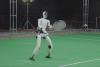 Watch: Humanoid robot gets surprisingly good at tennis
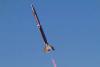 Low-cost hypersonic rocket engine takes flight for US Air Force
 Your WiFi Can See You. Here's How.
 Decentralizing Defense: A $96 Guided Rocket Just Put Precision Warfare into the Hands of the People
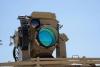 Israel's Iron Beam and the laser future of missile defense
 Scientists at the Harbin University of Science and Technology have pioneered a sophisticated...
 Researchers have developed a breakthrough "molecular jackhammer" technique...
 Human trials are underway for a drug that regrows human teeth in just 4 days.



Diabetes patients are CURED of disease with groundbreaking new treatment, study shows
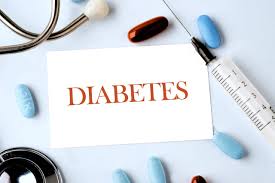
A team at the University of Chicago Medicine Transplant Institute has updated the results of the ongoing clinical trial of patients with type 1 diabetes.
Unlike type 2 diabetes, which typically comes on later in life and is caused by lifestyle factors such as obesity, type 1 diabetes, which affects as many as 4 million Americans, is an unpreventable autoimmune disorder in which the immune system destroys insulin-producing cells in the pancreas.
Without insulin, type 1 diabetics' bodies have no way to regulate blood sugar, which can build up in the bloodstream and skyrocket. Instead, their bodies break down fat for fuel, creating acidic byproducts called ketones and eventually cause diabetic ketoacidosis (DKA), leading to brain swelling, kidney failure, cardiac arrest and potential death.
In the trial, 10 type 1 diabetics underwent transplantation of islet cells, tiny clusters of specialized cells scattered throughout the pancreas that produce hormones to regulate blood sugar.
After just four weeks, all 10 achieved insulin independence, meaning their bodies were able to produce insulin on their own without costly supplemental injections.
Their A1C, which measures the amount of glucose in the blood, also fell from eight percent on average, which indicates diabetes, to 5.3 percent, which is considered non-diabetic.
The new results, unveiled earlier this month, are updated from initial findings published last year, which showed an initial favorable response and gradually decreasing A1C levels.
Following the transplant, patients also took a monoclonal antibody drug called tegoprubart, which is meant to keep their bodies from rejecting the new cells.
Tegoprubart was well-tolerated and none of the patients suffered cell rejection.
'It is exciting to see islet transplant recipients in this trial who no longer need to administer insulin and who are experiencing fewer side effects than with traditional immunosuppressive regimens,' Dr Aaron Kowalski, CEO of Breakthrough T1D, which helped fund the research, said.
The CDC estimates 90 to 95 percent of the 40 million diabetes cases in the US are type 2, making type 1 far less common. However, that still leaves 2 to 4 million Americans with type 1 diabetes.
Islet cell transplantation involves taking islet cells, which live in the pancreas and produce insulin, from a healthy or deceased donor and injecting them into a person with type 1 diabetes.
In the UChicago trial, cells came from deceased donors.
The cells are infused via a catheter into the portal vein in the liver, in a minimally invasive procedure.