










Breaking News
 US Retail Sales Jumped Most In 8 Months In February
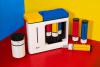 Home system lets users create their own custom-color hair dye
 Making Linux Ungovernable With I2P
 Red Lobster to revive disastrous 'endless shrimp deal' -- with one key change: report
Top Tech News
 The Secret Spy Tech Inside Every Credit Card
 Red light therapy boosts retinal health in early macular degeneration
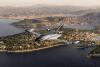 Hydrogen-powered business jet edges closer to certification
 This House Is 10 Feet Underground and Costs $0 to Cool. Why Is It Banned in 30 States?
 Cold Tolerant Lithium Battery?? Without Heaters!? Ecoworthy Cubix 100 Pro!
 DLR Tests Hydrogen Fuel for Aviation at -253°C
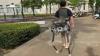 Watch: China Claims Cyborg Breakthrough To Build An "Army Of Centaurs"
 Instant, real-time video AI is now upon us, for better and worse
 We Build and Test Microwave Blocking Panels - Invisible to Radar
 Man Successfully Designs mRNA Vaccine To Treat His Dog's Cancer



The Great Alzheimer's Scam and the Proven Cures They've Buried for Billions
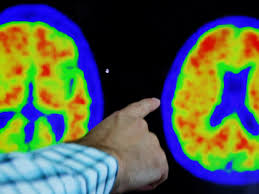
Unfortunately, in many cases, the biochemical approach to disease, at best, can manage symptoms, and as a result, many conditions remain "incurable" while non-patentable natural therapies that can cure them languish in obscurity.
That's why, despite spending an ever increasing amount of money on Alzheimer's research (e.g., the NIH spent 2.9 billion in 2020 and 3.9 billion in 20241), we've still failed to make any real progress on the disease. This is particularly remarkable given the vast costs to the country (e.g., last year Alzheimer's was estimated to cost the United States 360 billion dollars2) and the even greater social costs that accompany it.