










Breaking News
 Artemis II Astronauts Set For Historic Lunar Flyby: What To Know
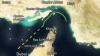 Iraq Tells Buyers To Collect Crude Which Can Now Cross Hormuz,...
 Trump Says Tuesday Deadline For Iran To Accept Ceasefire 'Final, Won't Change';
 Scientists Quietly Pitching Cloned Human Bodies To Transfer Your Brain Into
Top Tech News
 DARPA O-Circuit program wants drones that can smell danger...
 Practical Smell-O-Vision could soon be coming to a VR headset near you
 ICYMI - RAI introduces its new prototype "Roadrunner," a 33 lb bipedal wheeled robot.
 Pulsar Fusion Ignites Plasma in Nuclear Rocket Test
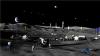 Details of the NASA Moonbase Plans Include a Fifteen Ton Lunar Rover
 THIS is the Biggest Thing Since CGI
 BACK TO THE MOON: Crewed Lunar Mission Artemis II Confirmed for Wednesday...
 The Secret Spy Tech Inside Every Credit Card
 Red light therapy boosts retinal health in early macular degeneration
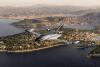 Hydrogen-powered business jet edges closer to certification


Worse than John McCain?
The decline in stocks and increase in oil prices reflected disappointment over President Trump's failure to articulate a plan to end the Iran War and the related restraint of shipping through of the Strait of Hormuz.
The average gas price in America has risen to over four dollars per gallon since the US and Israel launched their war against Iran at the end of February. The increased cost of gas is raising prices at the pump and, by increasing shipping costs, resulting in higher prices at grocery stores and even on Amazon.
According to media reports, President Trump and his advisers dismissed the possibility that Iran would use its ability to limit or even cease oil shipments through the Strait of Hormuz in order to drive up fuel prices. They dismissed the possibility even though disrupting oil shipments is the best way Iran can damage the US economy and make even America's staunchest allies unwilling to take any action that could be seen as supporting the war. Fear of Iranian retribution may be why NATO countries rejected the president's request that they send military support to the Strait of Hormuz to protect the free transport of oil.