










Breaking News
 Freedom Isn't a Theory: Living Sovereignty with Ernest Hancock & Jay Noone
 Iran says Hormuz Strait shut down again over US 'piracy'
 Full Metal Jacket. Copper edition
 Private Credit Is on the Hunt for Credit-Card Debt
Top Tech News
 Researchers Turn Car Battery Acid and Plastic Waste into Clean Hydrogen and New Plastic
 'Spin-flip' system pushes solar cell energy conversion efficiency past 100%
 A Startup Has Been Quietly Pitching Cloned Human Bodies to Transfer Your Brain Into
 DEYE 215kWh LiFePO4 + 125,000W Inverter + 200,000W MPPT = Run A Factory Offgrid!!
 China's Unitree Unveils Robot With "Human-Like Physique" That Can Outrun Most People
 This $200 Black Shaft Air Conditions Your Home For Free Forever -- Why Is It Banned in the U.S.?
 Engineers have developed a material capable of self-repairing more than 1,000 times,...
 They bypassed the eye entirely.
 The Most Dangerous Race on Earth Isn't Nuclear - It's Quantum.
 This Plasma Stove Cooks Hotter Than The Sun


Bleach, Hand Sanitizer, or Natural Cleaning Products? What to Use When
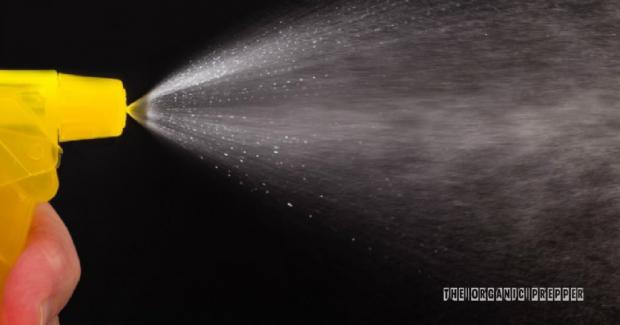
There's always a ferocious debate among people who swear by bleach, hand sanitizer, or natural cleaning products. But the fact is, there's no black-and-white answer. There are times and places for each of these.
Staying clean is a critical part of staying healthy. We have a wide array of disinfectants and cleaning products to stock up on. This guide takes the most common disinfectants, breaks down their pros and cons, and sorts out how and when to use each item.
Staying clean becomes even more important when access to medical care is not guaranteed, such as during or post-disaster. Therefore, we need to know to know how to remove pathogens from surfaces and fabrics.
Cleanliness Is Not Optional
Good hygiene and good household cleaning habits are essential to good health. While exposure to certain bacteria is good for us, even necessary for good health, there are also harmful microorganisms that can make use very sick. Some of them can live a surprisingly long time outside of the body.
For example:
• MRSA is frequently spread via unwashed hands and bed linens.
• Salmonella can live on surfaces for up to four weeks.
• E. coli was shown to survive for a month on most metal surfaces.
• While we always knew that Influenza was spread by coughing and sneezing, it has now been shown to be spread simply by breathing. Influenza can live for several hours airborne and 48 hours on hard surfaces.
• Hepatitis can live anywhere from 4 days to several months outside the body, depending on the type.