










Breaking News
 Once-in-a-century earthquake strikes Texas with shockwaves felt across multiple states
 House Passes Defense Policy Bill That Attaches SAVE America Act
 IRGC To Trump: Strike Iran's Infrastructure, We'll Shut Off The Gulf's Power
 Everyone knows what's going on...
Top Tech News
 Anthropic is launching its own drug discovery programs for rare diseases using Claude...
 SpaceX AI Satellites Will Have 250 Kilowatts of Power
 Chinese researchers have developed a sodium-metal battery that can fully charge in just 4 minutes...
 SpaceX Starship Flight 13 in 3 Days - Thursday July 13
 Chinese Scientists Develop Nuclear Battery Using Carbon-14
 Teleoperated humanoid robots complete first-ever live surgery
 Floating capsule auto-disinfects water without chemicals or battery
 Modular Reactors To Solve Data Center Hysteria?
 DeepSeek Developing In-House AI Chip In Bid To Cut Nvidia Reliance
 America just took three brand-new nuclear reactors critical in thirty days, a first for any...



Oklahoma AI Data Center Project Raises Water Use, Transparency Concerns
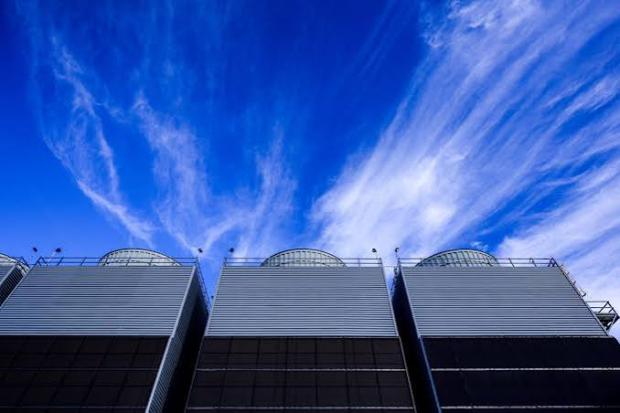
Residents like Pencia Truhan have expressed concerns over a lack of transparency, particularly regarding water consumption, according to reporting from NaturalNews.com. The developer barred media from meetings and asked local officials to sign nondisclosure agreements, fueling opposition.
Local officials across the United States have raised similar concerns as rapid data center construction accelerates, according to an article by Petra Stone. The article stated that mayors are sounding alarms about data centers pushing the U.S. toward blackouts and water shortages [1]. In Oklahoma, the project has generated skepticism among community members who say they have been kept in the dark about basic details.
Water Consumption and Regulatory Gaps
Data centers consume large volumes of water for cooling. Google's facility in Pryor, Oklahoma, uses approximately 1.1 billion gallons annually, according to industry reports. A report by Chase Codewell on NaturalNews.com noted that the artificial intelligence boom has an invisible cost in water, and that tech companies are draining the nation's most essential resource [2]. Similar concerns have been raised in Texas, where data centers consumed 463 million gallons in 2023 and 2024 alone, according to a report from NaturalNews.com [3].
Oklahoma's state law, SB259, restricts groundwater permits for data centers but allows them to purchase water from municipal utilities without obtaining a permit. Julie Cunningham, director of the Oklahoma Water Resources Board, stated that no data center has applied for a water permit. This regulatory gap means water use could go largely unmonitored. A report on water resource challenges noted that agricultural drought and water resources shortage are growing problems, underscoring the strain on supplies [4].
Community Pushback and Regulatory Lag
Beltline Energy's secrecy surrounding the project led to backlash. The Yukon vice mayor resigned in protest, and the city of Luther adopted a moratorium on data center development. State Rep. Carl Newton said a new bill would close the loophole that allows data centers to purchase water from municipal utilities without a permit. The Oklahoma Water Resources Board has fewer than 20 staff members, and its 2025 water forecast does not mention data centers, according to officials.
Across the country, communities are increasingly opposing data center projects. A Rasmussen Reports poll found that 52% of likely U.S. voters would oppose a proposal to build a data center in their community [5]. In New York, Gov. Kathy Hochul imposed a one-year moratorium on new hyperscale data centers, citing grid strain and rising utility bills [6][7]. The water crisis created by data centers is not about annual consumption but about peak demand stressing local systems, according to a report on NaturalNews.com [8].