










Breaking News
 IS WASHINGTON "TRIGGERING" THE NEXT MEAT CRISIS?!
 How to Fix Your Heavy Clay Soil (Garden Hacks That Actually Work )
 As Bibi Comes Back To DC, Trump's Out Of Options For Iran
 BOMBSHELL: Investigative Reporter Claims Dozens of American Journalists Are on China's Payroll
Top Tech News
 Elon Vows AI-Made 'Odyssey' After Blasting Nolan's Take On Homer
 Anthropic is launching its own drug discovery programs for rare diseases using Claude...
 SpaceX AI Satellites Will Have 250 Kilowatts of Power
 Chinese researchers have developed a sodium-metal battery that can fully charge in just 4 minutes...
 SpaceX Starship Flight 13 in 3 Days - Thursday July 13
 Chinese Scientists Develop Nuclear Battery Using Carbon-14
 Teleoperated humanoid robots complete first-ever live surgery
 Floating capsule auto-disinfects water without chemicals or battery
 Modular Reactors To Solve Data Center Hysteria?
 DeepSeek Developing In-House AI Chip In Bid To Cut Nvidia Reliance



The Cancer Prevention Revolution Is Already Here
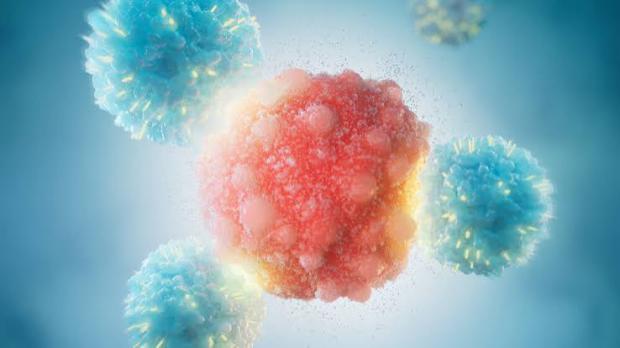
For decades, conventional medicine has largely dismissed vitamin C as little more than the micronutrient that prevents scurvy. In a highly significant development, however, an important new study has concluded that this humble molecule may also have the ability to stop the development of cancer. Published in the Journal of Theoretical Biology, the paper describes how vitamin C can block the formation of potentially cancer-causing chemicals during digestion. For supporters of Cellular Medicine, of course, such findings are less a surprise than a further powerful confirmation that Dr. Matthias Rath was right all along.
The new study proposes that taking a vitamin C supplement shortly after eating meals could reduce the production of chemicals known as N-nitroso compounds. These compounds are produced from nitrates and nitrites, chemicals that occur naturally in vegetables such as spinach and beetroot but are also widely used as preservatives in processed meats.
Inside the body, nitrates and nitrites perform useful functions, such as helping to regulate blood flow and supporting cardiovascular health. However, under certain conditions in the acidic environment of the stomach, they can also be converted into N-nitroso compounds, many of which are suspected or known to increase the risk of cancer.
Scientists have long struggled to explain why nitrate-rich vegetables are consistently associated with better health while processed meats have repeatedly been linked to a higher cancer risk. If both contain nitrates or nitrites, they wonder, why don't they produce the same effects?
The protective effect of vitamin C and other antioxidants
The authors of the new study, who are based at the University of Waterloo in Canada, believe their research has uncovered an important piece of the puzzle. To better understand the interactions that take place, they built a complex mathematical model that examines what happens to nitrates, nitrites, and vitamin C as food passes through the body. Their model takes into account factors such as the role of the salivary glands, stomach, small intestine, and blood plasma.
The findings are striking. When vitamin C was present during the digestive processing of dietary nitrates and nitrites, it markedly reduced the formation of harmful nitrosation products that can eventually lead to the production of cancer-associated N-nitroso compounds. Vitamin C acts as a powerful antioxidant, intercepting highly reactive nitrogen compounds before they can form cancer-associated chemicals. Instead of allowing these dangerous chemical reactions to proceed, vitamin C effectively diverted them towards harmless end products.