










Breaking News
 The Undeniable Math and Economics Behind $1,000 Silver!
 20 Freezer Tricks That Make Your Groceries Last 10x Longer
 Grow Food Fast, Self Watering Adapters for Mason Jars
 One Copper and Zinc In Water Purify Everything -- The $48 Billion Industry That Needs You To Forget
Top Tech News
 Portable 1MW Kaleidos Microreactor Secures Critical Nuclear Fuel Deal Through 2030s
 This New All-In-One Range Extender Is Ready To Go Into Any Electric Truck
 Aptera Reveals The Secret To Building Its Solar EV: China
 High-voltage sodium home battery emerges as affordable rooftop solar solution
 Peter Thiel-Funded Company Anduril to Triple the Number of Autonomous Surveillance...
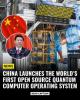 China has released Origin Pilot, claimed to be the world's first open-source operating system...
 ShieldAI XBAT Drone Fighters Can Give A Fighter Drone Wing to Every US Destroyer
 Brain organoids, kept alive more than five years, matured like human brains
 Parkinson's patient's tremors VANISH within minutes of GROUNDBREAKING treatment
 NEW HOMES ARE BUILT WITH THIS AND IT'S MAKING YOU SICK


Bribery, Kickbacks, and Fake Research: Study Exposes the Dark Side of Pharma
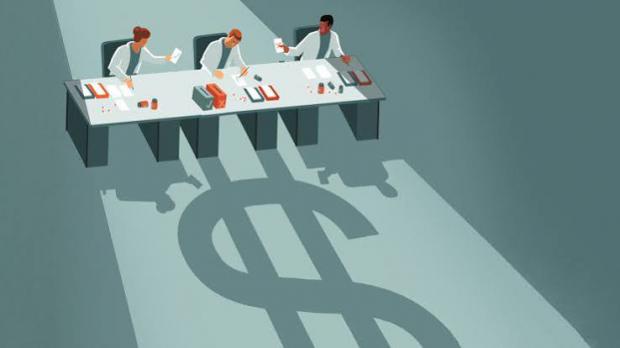
A remarkable study published earlier this year shed further light on a side of the pharma industry that continues to receive remarkably little attention from the mainstream/legacy media: the deliberate use of bribery and other corrupt practices to increase drug sales, influence prescribing, and secure favorable treatment from governments and regulators. Published online by Cambridge University Press in February 2026, the study examined pharmaceutical bribery cases documented in reports from the Organization for Economic Co-operation and Development (OECD) covering a period of more than 25 years.
From the reports, which were published between 1999 and 2025, the researchers identified 21 investigations involving 19 pharmaceutical companies. Among the companies explicitly named were some of the world's biggest drugmakers, including Novartis, Johnson & Johnson, Pfizer, Teva, Eli Lilly, Bristol-Myers Squibb, AstraZeneca, GlaxoSmithKline, Sanofi, and Novo Nordisk.
The findings are difficult to dismiss as the actions of a few rogue employees. According to the researchers, bribery was frequently approved or knowingly tolerated by senior managers, while subsidiaries, third-party vendors, and complicated corporate structures were repeatedly used to conceal payments. The documented bribery schemes lasted an average of almost five years, with the longest continuing for 11 years. In total, the cases involved at least US$12.6 million in identified illicit payments and resulted in more than US$1.1 billion in financial sanctions.
How the bribery schemes worked
The study provides a disturbing catalogue of the methods allegedly used to disguise corrupt payments. Doctors and other healthcare professionals were offered luxury travel, gifts, entertainment, and other benefits. In some cases, pharmaceutical sales representatives carefully monitored doctors' prescription volumes to determine whether the money and perks were producing the desired return. Novartis, for example, sponsored doctors to attend international congresses but, according to the report examined by the researchers, threatened to withdraw that support if prescription targets were not achieved. Other examples included family holidays, ski trips, sightseeing excursions, and luxury goods.
Perhaps more disturbing was the actual manipulation of medical research. The study identified cases in which supposedly scientific studies were allegedly created primarily as mechanisms for paying doctors. Some were presented as Phase IV, observational or epidemiological research, even though their real purpose was to promote particular drugs or reward doctors who prescribed them. In one case, a clinical study was used to promote Lucentis – a prescription drug injected into the eye that can cost around US$2,000 per dose in the United States – rather than conduct genuine research; in another, payments were channeled through a sham neuroscience study.