










Breaking News
 India's Israel arms ties enter a riskier new phase
 Why Japan is leading the global bond selloff
 Landmark study upends how we think the brain responds to psychedelics
 Bowne Report: Tim Pool Israel's Fool
Top Tech News
 Brain organoids, kept alive more than five years, matured like human brains
 Parkinson's patient's tremors VANISH within minutes of GROUNDBREAKING treatment
 Polaris injects pneumatic shifting into expedition-grade side-by-side
 NEW HOMES ARE BUILT WITH THIS AND IT'S MAKING YOU SICK
 S3E33: I Beat the Attorney General. No Lawyers. My Legal Team Was AI
 World's largest all-electric plane completes maiden flight
 The Lucid Cosmos Will Have More Range Than Any Tesla
 Strong 3D printable elastic polymer resists damage
 Double hydrogen-combustion car breaks world land speed record
 Vitalik Buterin Says Ethereum Is Betting Its Future On Quantum Security And AI



Brain organoids, kept alive more than five years, matured like human brains
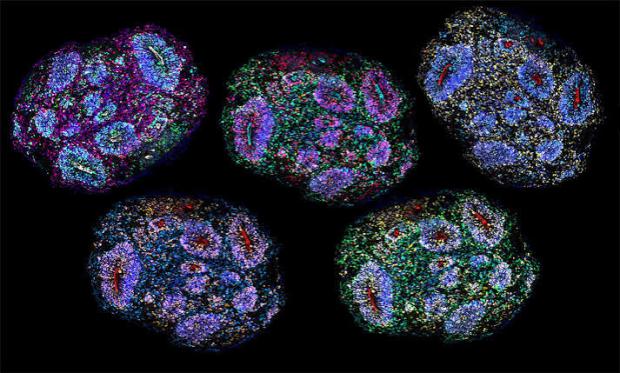
A little more than two years ago, a junior scientist walked into Paola Arlotta's Harvard office with a set of mesmerizing images and asked if she wanted to see what the old brain organoids look like.
Arlotta, a developmental neurobiologist, turned in surprise. "You analyzed them?" she exclaimed.
Irene Faravelli's face fell. She had, but now she wondered if that had been a grave mistake. Arlotta assured her everything was fine. In fact it was great. "I was actually pleased that somebody had the courage to do this," Arlotta recalled to STAT in a recent interview.