










Breaking News
 Got Hard Assets? UBS Says "Position For A Commodity Upcycle" As Global Scarcity Emerges
 Moscow Warns It Could Target British Military Facilities In Unprecedented Statement
 Why Food-Based Formats Change Behavior
 PayPal Crashes After Advent, Stripe Abandon $50 Billion Takeover Bid
Top Tech News
 Singapore is experimenting with biological computing using living human neurons...
 It's Happening - Europe is Building an Impossible Fusion Reactor
 Portable 1MW Kaleidos Microreactor Secures Critical Nuclear Fuel Deal Through 2030s
 This New All-In-One Range Extender Is Ready To Go Into Any Electric Truck
 Aptera Reveals The Secret To Building Its Solar EV: China
 High-voltage sodium home battery emerges as affordable rooftop solar solution
 Peter Thiel-Funded Company Anduril to Triple the Number of Autonomous Surveillance...
 China has released Origin Pilot, claimed to be the world's first open-source operating system...
 ShieldAI XBAT Drone Fighters Can Give A Fighter Drone Wing to Every US Destroyer
 Brain organoids, kept alive more than five years, matured like human brains



Federal Court Dismisses Musk's X Lawsuit Against New York Law Forcing Platforms To Define Speech
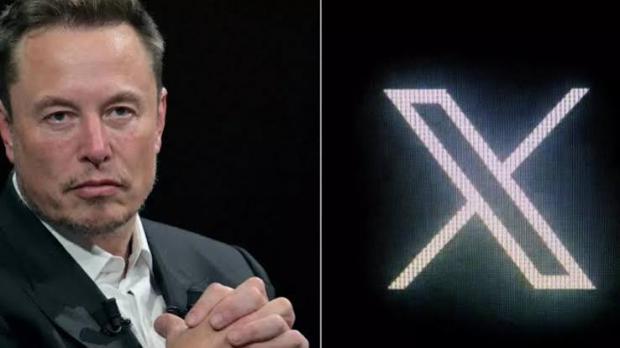
U.S. District Judge John Cronan in Manhattan rejected X's argument that the Stop Hiding Hate Act violated the U.S. Constitution's First Amendment by exposing it to lawsuits and big fines unless it disclosed "highly sensitive and controversial speech" that the state found objectionable.
Additionally, Cronan dismissed the case with prejudice, prohibiting X from refiling an updated claim on the same issue.
New York Attorney General Letitia James formally filed for the case to be dismissed in November 2025, saying the law helped consumers understand what to expect from social media, without blocking platforms from speaking out or exercising their own judgment when moderating content.
Most notably, X Corp. pointed to a separate lawsuit it brought against California's Assembly Bill 587, which it argued was "identical in all material respects" to S895B.
The Ninth U.S. Circuit Court of Appeals, which oversees California, held that AB 587's content-category reporting provisions compelled non-commercial speech about contested political topics, which triggered strict scrutiny of the law under the First Amendment.
However, Cronan wrote that "[t]he First Amendment poses no obstacle to New York's law."
He added:
"Businesses might not always want to share every detail about the products or services they offer. But when the government requires those businesses to speak truthfully about their offerings, the First Amendment typically allows for that kind of disclosure requirement."
Musk's company also said it already dedicates resources to regulating "hateful conduct" and that this would not be recognized under New York's categories of "hate speech," "racism," or "extremism." It also listed its efforts to regulate what it calls "manipulated, or out-of-context media that may result in widespread confusion on public issues, impact public safety, or cause serious harm," but that would not be recognized by the New York law.
Nevertheless, the law was struck down on First Amendment grounds.
In this case, Cronan dismissed the California case (X Corp vs Bonta) stating that the level of scrutiny applicable was "Zauderer scrutiny," which is "more relaxed than ordinary intermediate or strict scrutiny."