










Breaking News
 Leaked phone call confirms the WNBA is in deep sh*t…
 Why Not Just Admit It? The Welfare-Warfare State Has Failed.
 700 OpenAI Bots Took Part in Massive Hacking Attack
 ICE arrests explode as Trump hands cops sweeping new powers...
Top Tech News
 Singapore is experimenting with biological computing using living human neurons...
 It's Happening - Europe is Building an Impossible Fusion Reactor
 Portable 1MW Kaleidos Microreactor Secures Critical Nuclear Fuel Deal Through 2030s
 This New All-In-One Range Extender Is Ready To Go Into Any Electric Truck
 Aptera Reveals The Secret To Building Its Solar EV: China
 High-voltage sodium home battery emerges as affordable rooftop solar solution
 Peter Thiel-Funded Company Anduril to Triple the Number of Autonomous Surveillance...
 China has released Origin Pilot, claimed to be the world's first open-source operating system...
 ShieldAI XBAT Drone Fighters Can Give A Fighter Drone Wing to Every US Destroyer
 Brain organoids, kept alive more than five years, matured like human brains



US Looks To Revive 'Prize Courts' For Iranian Oil Seizures
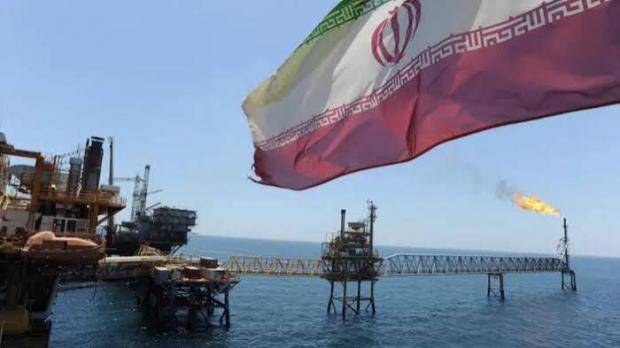
The Justice Department, working with the Pentagon, is preparing to use prize law, which historically allowed courts to decide whether vessels and cargo captured during armed conflict could legally become property of the United States. The mechanism was once commonplace in naval warfare but largely disappeared from American practice after the 19th century and has been dormant since World War II.
The appeal for the administration is largely practical. At present, the government generally relies on civil forfeiture to take ownership of vessels accused of sanctions violations or other offenses. Those cases can become complicated and slow, particularly when shipping companies, creditors, terrorism victims or other parties assert competing rights to the ship or its cargo. A prize proceeding could potentially narrow those disputes and allow captured oil to be sold more quickly, with the proceeds going to the US Treasury.
Bloomberg writes that Houston is being considered as a central venue for these cases. The Southern District of Texas has jurisdiction over a major port and sits alongside the country's largest concentration of petrochemical infrastructure, giving it the capacity to receive and store substantial quantities of crude. US Attorney Aaron Reitz, whose office is working with DOJ officials in Washington, said the department is "now reviving" prize courts, describing the concept as an "ancient body of maritime law."
The effort comes as Washington looks for additional ways to put economic pressure on Iran. US forces have already intercepted Iranian-owned or Iran-linked vessels since the blockade was imposed in April. Using prize law could turn those captures into a more direct financial tool: ships and oil deemed lawful prizes could be liquidated, potentially generating revenue while depriving Iran of valuable exports.
Supporters also see a strategic purpose beyond the money. Reviving the system would reinforce the message that the US considers the blockade a serious wartime measure rather than simply another sanctions regime. It could also make it more difficult for neutral commercial vessels to continue transporting goods that Washington believes support Iran.
But there is considerable uncertainty over how a centuries-old framework would operate under modern international law. "This really is a historical area of law that is not tested in modern times," maritime attorney Allison Luzwick said. Courts could be asked to determine whether the current conflict provides sufficient legal grounds for invoking prize authority at all, particularly given questions surrounding congressional authorization for the hostilities.