Breaking News
 YOUR APPLIANCES ARE COLLECTING DATA, AND WHAT THIS COFFEE MAKER WAS CAUGHT...
 Italy just told parents of young leftwing rioters: Your brat SMASHES it, YOU PAY…
 Colonialism's Death Knell
 The Democrats Have Planned a Coup to Overthrow the Federal Government
Top Tech News
 They're Quietly REPLACING Our Food With THIS… And Nobody Is Talking About It!
 Chicago Opens First "Teacher-Free" AI School as Global Push Accelerates
 Solar Panels Are Doing Something Nobody Expected
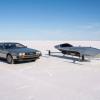 DeLorean climbs skyward to race electric flying cars
 Atari's 800XL returns with a keyboard, cartridges and BASIC
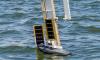 Bioinspired robot airdrops into remote waters via morphing wing-sail
 Anduril interceptor adapts to emerging threats via swappable stages
 I Built a Website to Expose Solar and Battery Scams
 Whistleblower Issues Dire Warning: Rogue AI, Hacking Nuclear Programs...
 Multi-material insulation delivers up to 10,000 x the stiffness



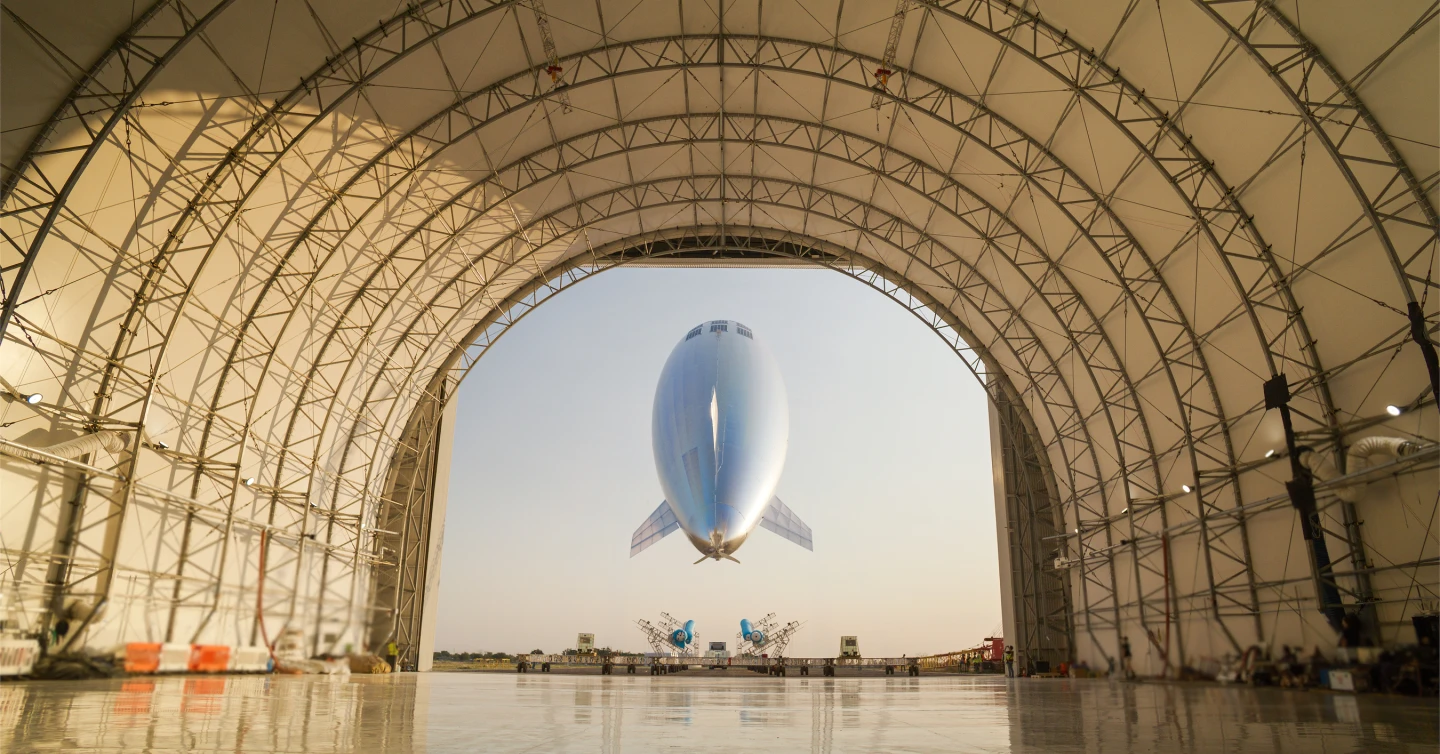
Flying cell tower beams phone signal to Japan from 10 miles up
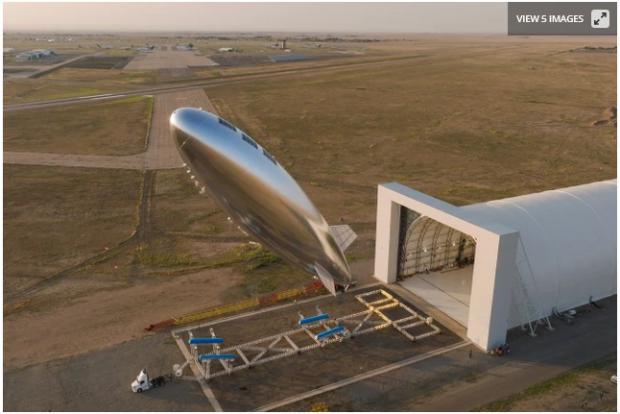
The company's mission, called Service Test 1 (ST1), lifted off on August 9 from Roswell, New Mexico. The airship reached Japan 13 days later and covered nearly 30,000 km (18,600 miles) in total. It returned to the continental US on September 4 and landed on September 5 near Sceye's headquarters in Moriarty, New Mexico.
This class of technology is known as a HAPS, or high-altitude platform station. It's essentially a cell tower that hovers in the stratosphere, the layer of atmosphere above where commercial airliners fly.