



Breaking News
 Episode 511 - From Jensen Huang to WWIII (in 3 Easy Steps!)
 New Wave Of Iran War Propaganda From CNN And The New York Times
 True 'Health Freedom' Means Having Access to More Than One Kind of Medical System
 Slow Shave: The Dollar Won't Collapse - It'll Bleed Out Over 9 Years
Top Tech News
 SpaceX Just Caught Starship on Its FIRST Attempt!
 Solid-State Cells Can Make The U.S. Competitive In Batteries Again: CEO
 Jetson ONE personal eVTOL pod is about to go full sky patrol
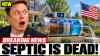 America's INSANE BREAKTHROUGH Could Replace Septic Tanks Forever
 Amazing DIY Building Material for Home & Yard - Inexpensive and Easy!
 Researchers have discovered a massive deposit of hidden water...
 Amazon's Ring Unveils Flying Drone And Robot To Patrol Homes And Businesses
 Anthropic Strikes $3.4 Billion Off-Grid Power Agreement to Bypass U.S. Grids, Reports Say
 The X-ray room just shrank to the size of a laptop
 Gritt and MasTec partner to bring physical AI to solar construction sites


True 'Health Freedom' Means Having Access to More Than One Kind of Medical System
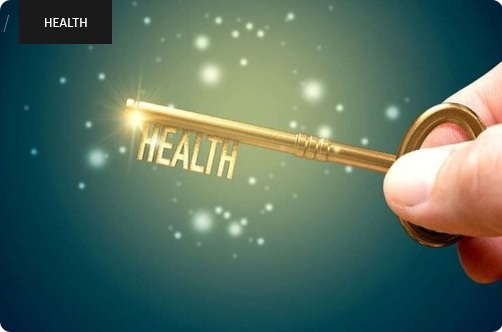
After attending three conferences that challenged the prevailing medical model, Rob Verkerk, founder, executive & scientific director of Alliance for Natural Health International, asks whether a system built largely around managing sickness can change course — or whether we must build genuinely plural, nature-aligned healthcare alongside it.
By Rob Verkerk, Ph.D.
I've emerged from three conferences on consecutive weekends with my mind buzzing over what it might take to turn the helm of a Titanic-like medical system before it reaches the iceberg now plainly ahead.
What follows is my personal perspective. It is deliberately direct because I believe the risks are too serious for polite euphemisms. I also recognize the brilliance of modern medicine in acute, emergency and surgical care. My concern is that the same system is failing to stem the chronic disease burden that now threatens to overwhelm it.
Eight signs of a collision course
1. The chronic disease trajectory is still heading the wrong way.
If modern, technology-based medicine had the innate capacity to avert the spiralling burden of chronic, degenerative, autoimmune and mental health conditions, we would have seen substantial evidence of success by now.
Instead, the Global Burden of Disease 2021 study documents an enormous burden of disability, while projections to 2050 forecast a continuing shift toward non-communicable diseases. On that front, there is little to shout about.