










Breaking News
 NEW PAPER REVEALS HOW ANONYMOUS AGENTS ERASE YEARS OF VACCINE SAFETY AND...
 72 Straight Hours Of Major Outages Doesn't Seem Like A "Coincidence" To Me
 Strategy And The Endless Reinvention Of Nothing
 Inside the 007 casting, including the mistake that cleared the way for Robert Pattinson...
Top Tech News
 SpaceX Just Caught Starship on Its FIRST Attempt!
 Solid-State Cells Can Make The U.S. Competitive In Batteries Again: CEO
 Jetson ONE personal eVTOL pod is about to go full sky patrol
 America's INSANE BREAKTHROUGH Could Replace Septic Tanks Forever
 Amazing DIY Building Material for Home & Yard - Inexpensive and Easy!
 Researchers have discovered a massive deposit of hidden water...
 Amazon's Ring Unveils Flying Drone And Robot To Patrol Homes And Businesses
 Anthropic Strikes $3.4 Billion Off-Grid Power Agreement to Bypass U.S. Grids, Reports Say
 The X-ray room just shrank to the size of a laptop
 Gritt and MasTec partner to bring physical AI to solar construction sites



NEW PAPER REVEALS HOW ANONYMOUS AGENTS ERASE YEARS OF VACCINE SAFETY AND...
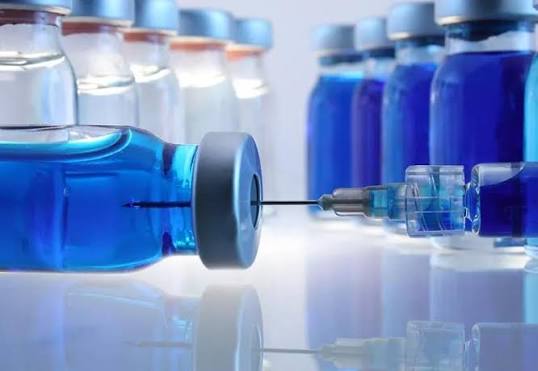
The PubPeer Retraction Racket facilitates scientific censorship and destroys scientists' careers for publishing research that challenges the status quo.
In one of the first published scientific editorials to directly confront the PubPeer Mob, Dr. Peter McCullough sounds the alarm on how anonymous accusations on PubPeer can escalate into journal investigations, retraction proceedings, and permanent reputational damage, even WITHOUT proven scientific misconduct.
Published in the International Journal of Cardiovascular Research & Innovation, the editorial is titled "Post-publication retraction and the erosion of editorial integrity: A call for adherence to COPE standards."
Researchers can spend YEARS conducting studies, navigating peer review, and publishing their findings—only to face demands for new references, additional data, or manuscript alterations following weaponized anonymous complaints years later.
1. ANONYMOUS SMEAR — PUBPEER
An anonymous agent targets a published scientific paper, triggering formal scrutiny without having to establish scientific misconduct.
2. JOURNAL INTIMIDATION
Editors reopen previously published research, demanding responses, supporting materials, additional references, and manuscript alterations.
3. COERCIVE PRESSURE
Years after publication, scientists face escalating demands for new data, revisions, or concessions—even when the underlying scientific findings have not been demonstrated to be invalid.
4. PUBLIC SHAMING — RETRACTION WATCH
Retraction announcements and subsequent media coverage amplify allegations, inflicting severe reputational damage even without a formal finding of research misconduct.
5. CHILLING EFFECT — SCIENTIFIC CENSORSHIP
Researchers become reluctant to investigate controversial topics, fearing that publishing findings challenging established narratives could jeopardize their reputations, careers, and future research.