










Breaking News
Trump's War In Iran Is Not Destroying Iran; It Is Destroying AMERICA
 NASA Chief: "We Just Built Antigravity Propulsion!"
 Carl Higbie (NEWSMAX) says LIVE on TV: "The Senate is supposed to vote on the Clarity Act NEXT
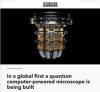 Quantum computing may soon become part of the microscope itself.
Top Tech News
Quantum computing may soon become part of the microscope itself.
 Volkswagen Just Unveiled The Most Efficient EV Ever Tested
 NASA Super Light Solar Sail Project Will Be 12-40 Times Lighter and Faster
 Space Telescope Interferometer to Image Exoplanet Continents
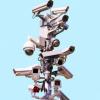 Twenty-five years of "temporary": how 9/11 built a surveillance state Americans never vote
 I'll Never Buy Another WALMART Battery!
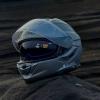 Shoei GT-Air 3 Smart helmet drops with built-in AR for $1,500
 AI Whistleblower Tells Tucker How AI Could Kill All Humans by 2040
 You Hate Flock? Well There's More...
 Will Spiking Diesel Prices Drive Autonomous Trucking?



Assange: Google Is Not What It Seems (Publisher Recommended)
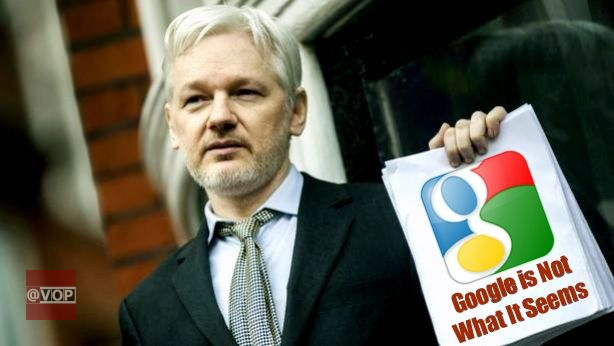
(First published 4 years ago, this article is even more important now with current revelations of Technocracy & Government - Publisher Recommended)
For several hours the besieged leader of the world's most famous insurgent publishing organization and the billionaire head of the world's largest information empire locked horns. The two men debated the political problems faced by society, and the technological solutions engendered by the global network?"from the Arab Spring to Bitcoin.
They outlined radically opposing perspectives: for Assange, the liberating power of the Internet is based on its freedom and statelessness. For Schmidt, emancipation is at one with U.S. foreign policy objectives and is driven by connecting non-Western countries to Western companies and markets. These differences embodied a tug-of-war over the Internet's future that has only gathered force subsequently.
In this extract from When Google Met WikiLeaks Assange describes his encounter with Schmidt and how he came to conclude that it was far from an innocent exchange of views.