










Breaking News
Trump's War In Iran Is Not Destroying Iran; It Is Destroying AMERICA
 NASA Chief: "We Just Built Antigravity Propulsion!"
 Carl Higbie (NEWSMAX) says LIVE on TV: "The Senate is supposed to vote on the Clarity Act NEXT
 Quantum computing may soon become part of the microscope itself.
Top Tech News
Quantum computing may soon become part of the microscope itself.
 Volkswagen Just Unveiled The Most Efficient EV Ever Tested
 NASA Super Light Solar Sail Project Will Be 12-40 Times Lighter and Faster
 Space Telescope Interferometer to Image Exoplanet Continents
 Twenty-five years of "temporary": how 9/11 built a surveillance state Americans never vote
 I'll Never Buy Another WALMART Battery!
 Shoei GT-Air 3 Smart helmet drops with built-in AR for $1,500
 AI Whistleblower Tells Tucker How AI Could Kill All Humans by 2040
 You Hate Flock? Well There's More...
 Will Spiking Diesel Prices Drive Autonomous Trucking?



New 1-Terabit internet satellites will deliver high-speed internet to remote areas
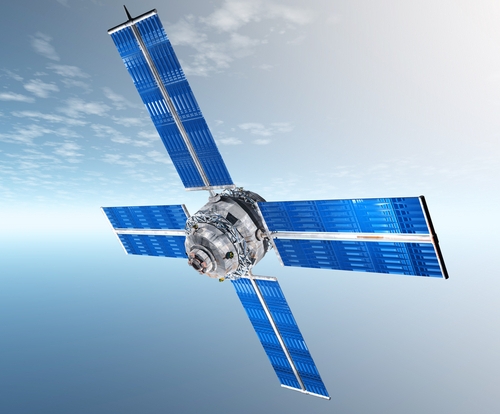
US-based satellite company ViaSat is teaming up with Boeing to create and deliver three new satellites that will deliver high-speed internet to remote areas around the world. The partnership was announced yesterday, months before the company is scheduled to launch its previous generation satellite, ViaSat-2, on a SpaceX Falcon 9 rocket.
The new ViaSat-3 satellites will be capable of much more. Each satellite will carry with it a total network capacity of 1 Tbps (yes, Terabit per second), about triple what ViaSat-2 is capable of. That will allow ViaSat to deliver 100 Mbps service to remote residential properties in the Americas, Europe, the Middle East, Africa, and Asia. The company claims that work is already underway on the first two satellites, and that Boeing is already preparing them for launches by the end of 2019.