










Breaking News
 Something Is VERY WRONG With Silver
 What The Hell Is Going On With Beef? | Brooke Rollins #505 | The Way I Heard It
 WARNING: U.S. Mint Is SUSPENDING Silver Dealers
 Trump Just Admitted Unthinkable Dollar Reset (Most Don't Understand the Plan)
Top Tech News
 Most artificial limbs rely on silicone or plastic to mimic human hands.
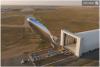 Flying cell tower beams phone signal to Japan from 10 miles up
 Chinese Commercial Reactor Achieves Nuclear Fusion with Clean Hydrogen-Boron Fuel
 Med Beds Just Took a MASSIVE Step Forward, Healing People in Days!
 Palmer Luckey: Autonomous Weapons Are Ancient and Why Anduril Won't Build Humanoids | EP #295
 A laser just photographed objects through six feet of concrete
 Elon Musk's Next-Gen Motor Destroy Entire EV Industry
 China's disputed satellite refueling heralds new space war era
 BYD Will Put Solid-State Batteries In An EV Next Year: Executive
 FDA-cleared exoskeleton puts spinal-cord patients back on their feet



What Happens After You Land A Rocket On A Drone Ship?
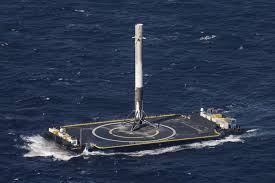

SpaceX
They did it! What's next?
SpaceX finally did it—they landed a rocket on a drone ship in the ocean. The achievement will make it easier for the company to refurbish and re-fly used rockets, potentially cutting launch costs dramatically. The success was a long time coming, and the company had to suffer through several fiery failures before they could pull it off.
"We're a little bit like the dog that caught the bus," Musk joked during a press conference yesterday. "'What do we do now?'"
Thankfully, the next part isn't nearly as complicated as rocket science. The rocket remains on the autonomous barge for now, and Musk said the first step would be to make sure it wouldn't tip over, especially with the threat of strong winds coming in. Once the rocket was safe to approach, the crew would board the ship and weld it to the deck using "steel shoes that we put over the landing feet."
On Sunday, they'll sail the ship and rocket into port. A fixture will attach to the top of rocket booster so that a crane can pick it up and put it down on land. It'll set it down onto a stand that'll allow the rocket to fold up its landing legs. Then the crane can tip the booster over horizontally for transport.